Search "Washington Park Seattle home prices" this week and most of the big portals won't actually show you Washington Park. They'll show you Madison Park's zip code, 98112, because Washington Park is too small and too undefined for their systems to break out on its own. Ask four of those portals for that zip code's number in 2026 and you'll get four different answers anyway. One says the median sits around $969,000. Another puts it near $1.6 million. A third reports an average value of $1.81 million. A fourth, pulling the same zip a few months earlier, priced it at $1.28 million.
None of these sites made an error. They're all measuring something real. The problem is that they're not measuring the same thing, and in a pocket this small and this loosely defined, that distinction is the whole story.
The Zip Code That Four Vendors Can't Agree On
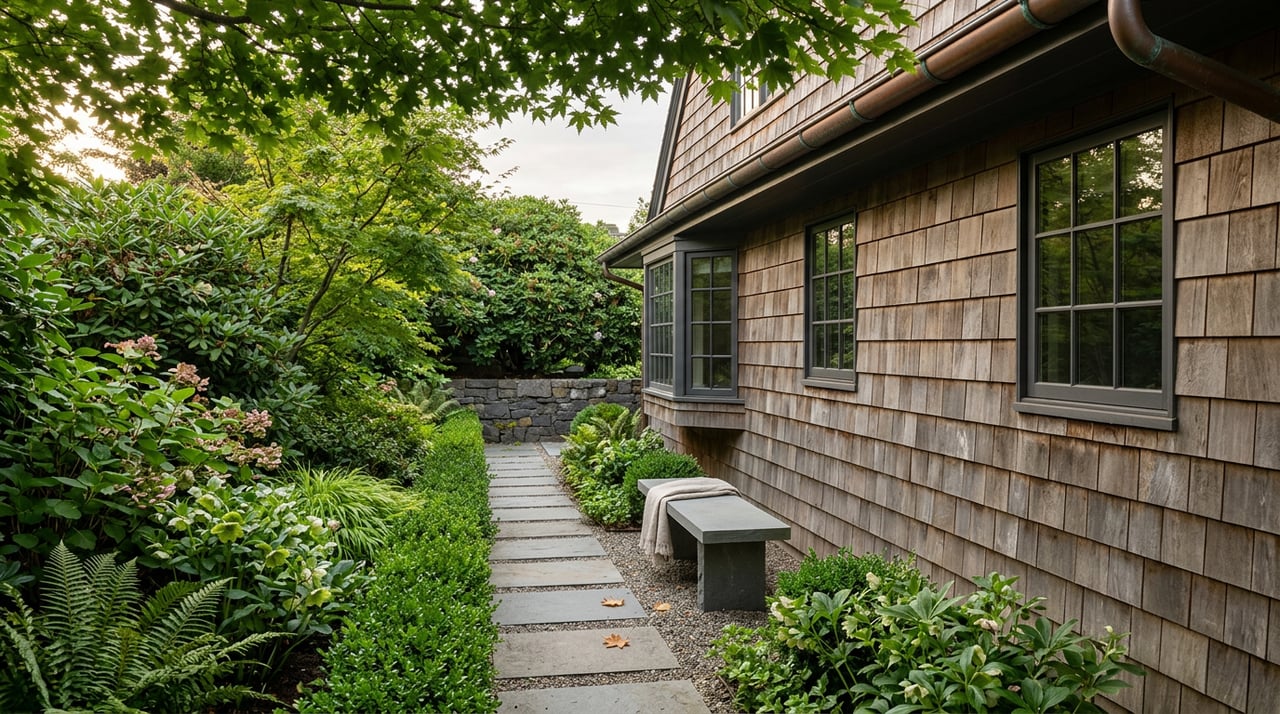
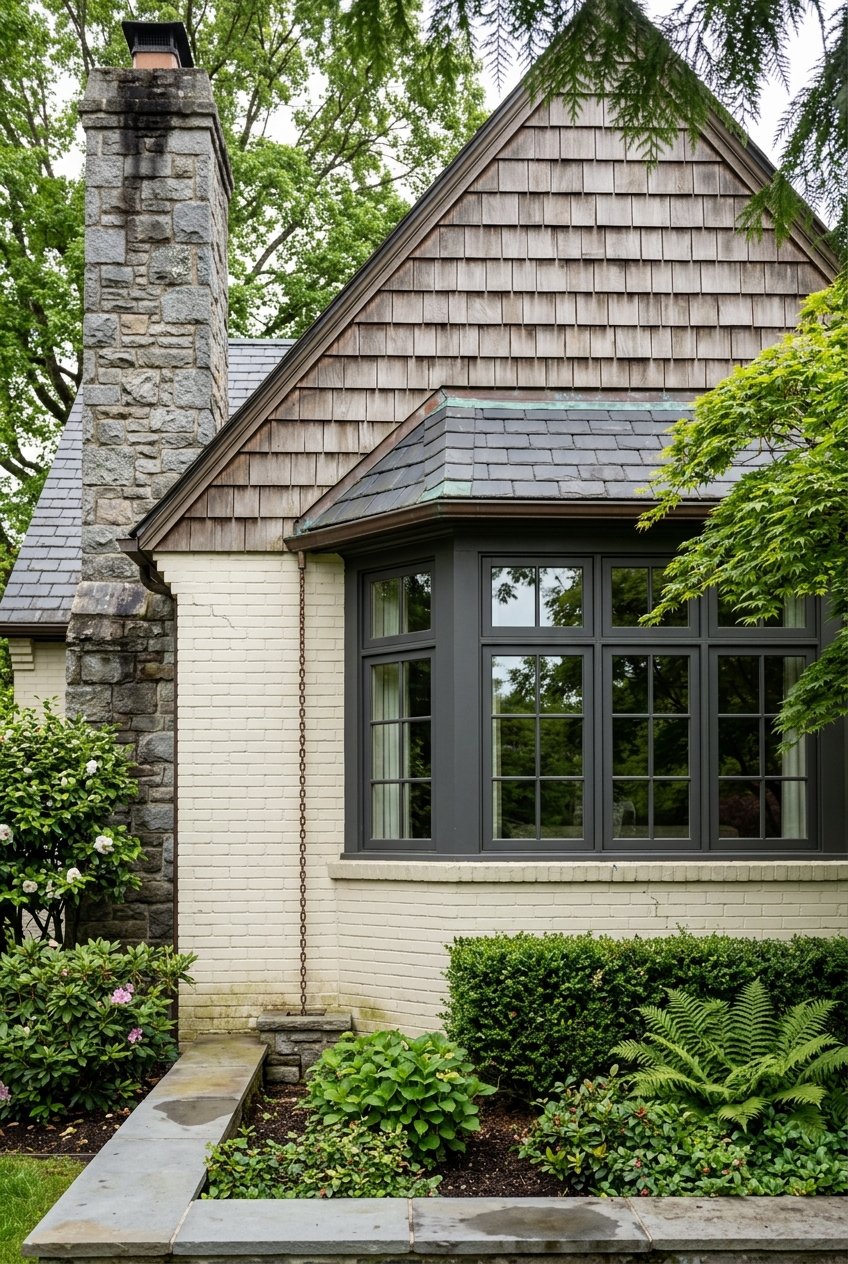
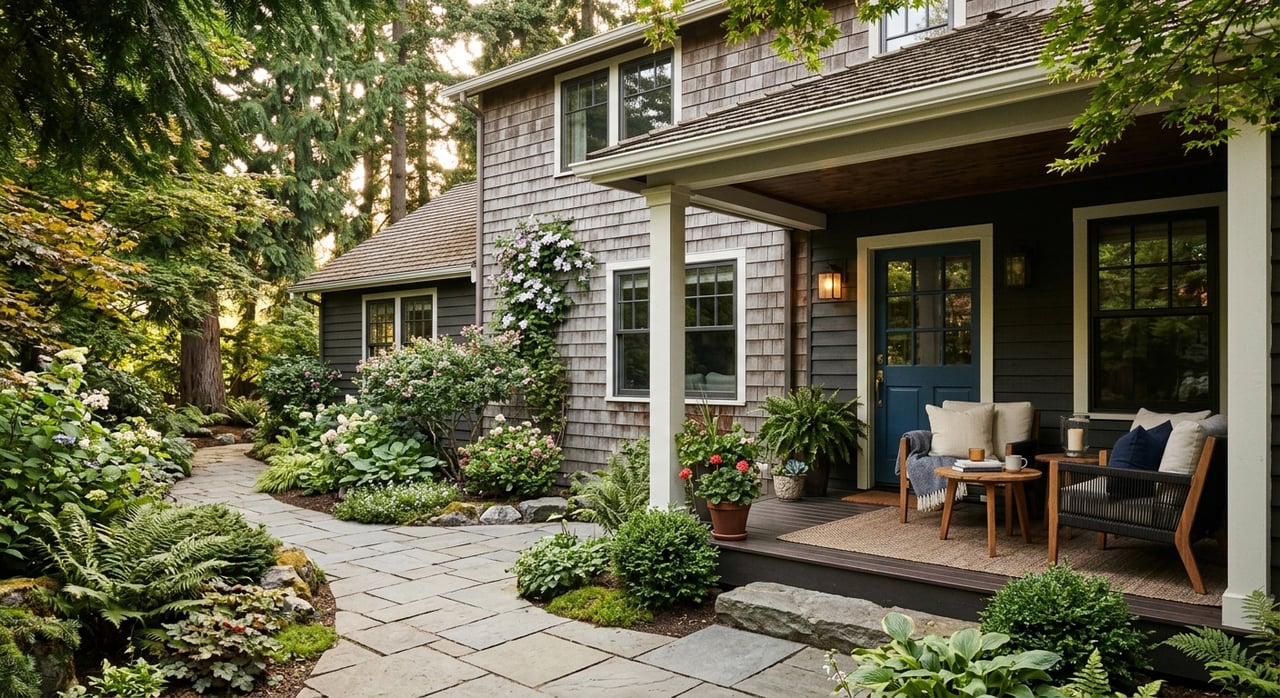
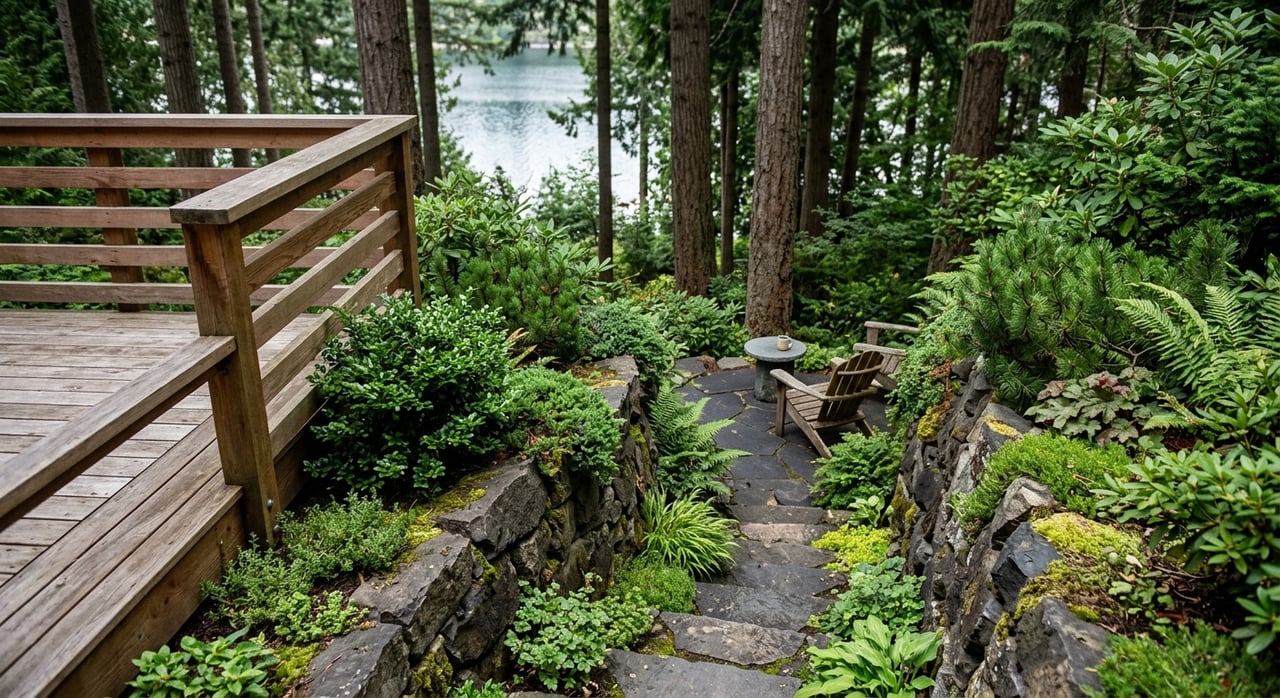
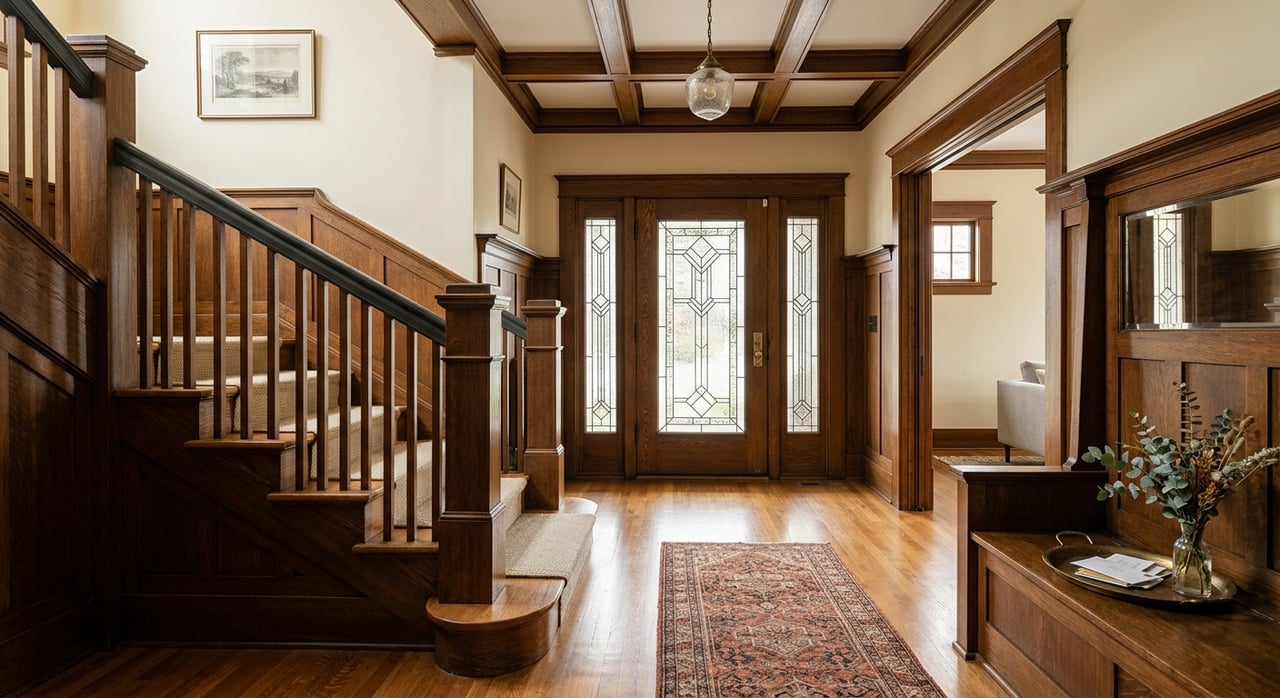
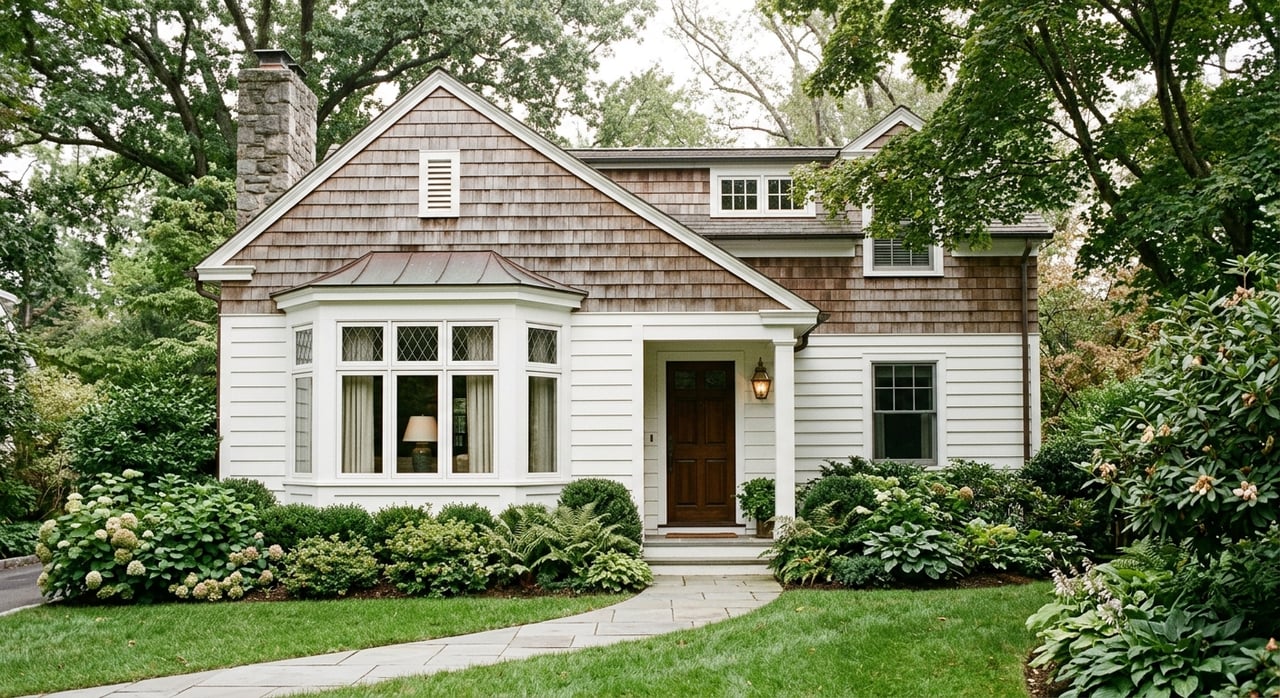
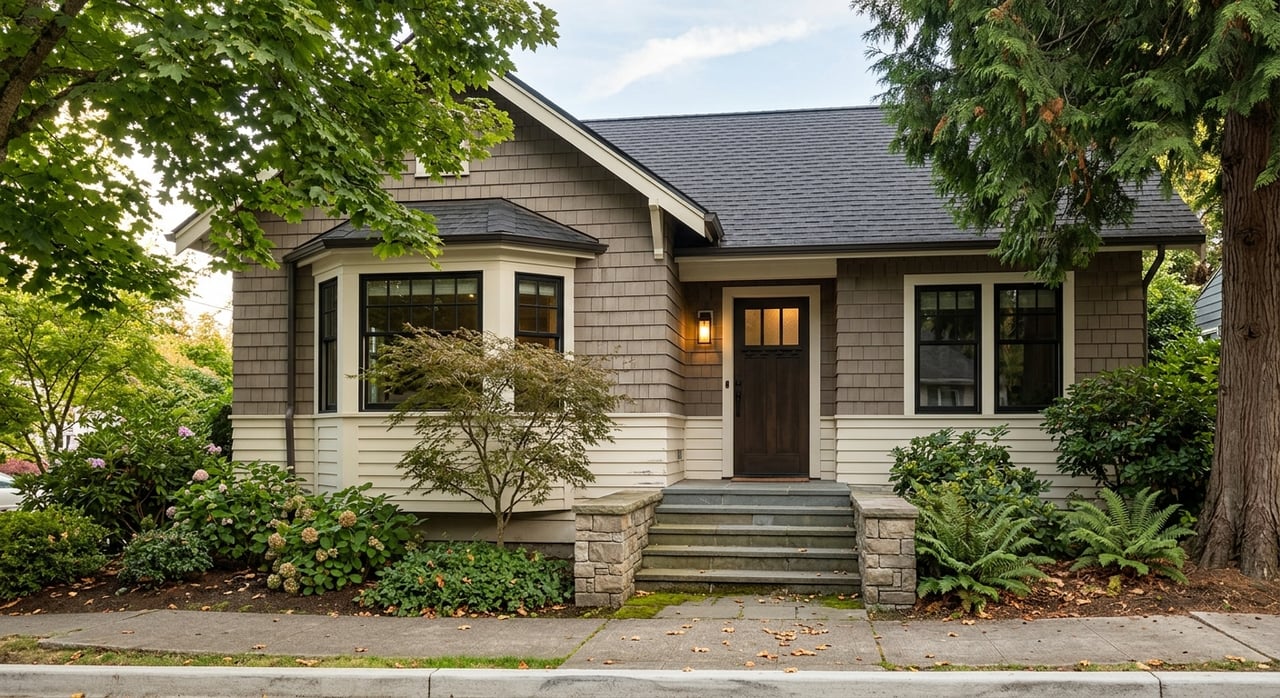
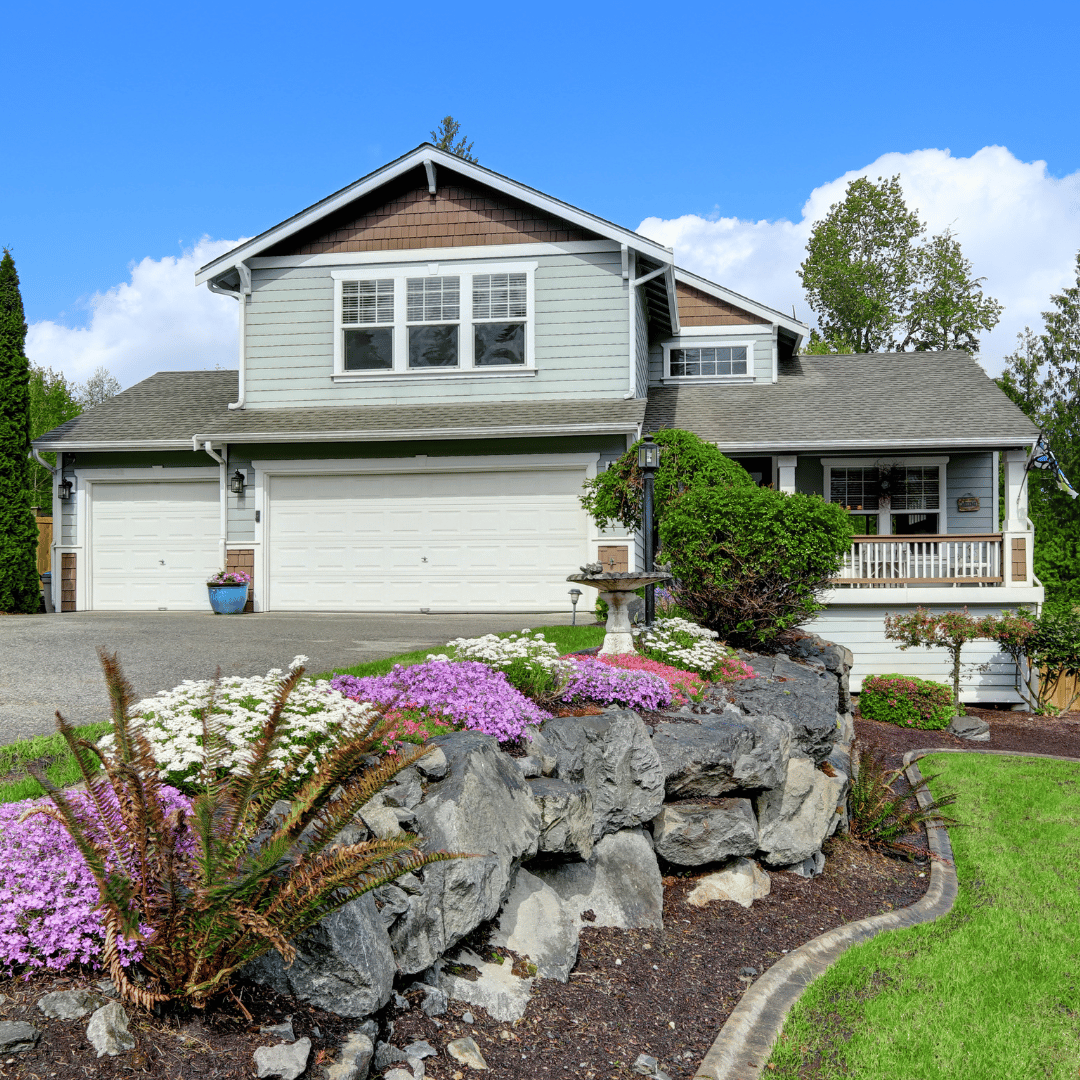
Washington Park sits between the Washington Park Arboretum and Lake Washington, a quiet run of streets built mostly in the early 20th century and threaded by McGilvra Boulevard East. It blends into Broadmoor on one side and Madison Park on the other, and it shares zip code 98112 with both.
That shared zip code is where the confusion starts. One brokerage's NWMLS-sourced feed reported a median sold price of $1.28 million across 98112 in July 2026, alongside 95 active listings and a median 8 days on market that same month. Redfin's snapshot for February 2026 showed a median sold price of $1.6 million, down 11.4 percent year over year, on just 8 closed sales that month, down from 13 the year before, with homes taking a median 77 days to sell. Zillow's home value index for the same zip, as of June 30, 2026, put the average value at $1.81 million, down 0.5 percent year over year. Movoto's August 2026 read showed a median list price of $969,000, down 25 percent from both the prior month and the same month a year earlier.
Four snapshots, one zip code, one calendar year. The spread between the lowest and highest figure is more than $840,000. The days-on-market figures move just as hard, from 8 days in one month's feed to 77 in another.
Part of that gap is methodology. A median sold price, a median list price, an average value index, and a rolling automated valuation are four different calculations that happen to share the word "price." A separate comparison run in January 2026 made this explicit: Redfin's MLS-based median for the zip came in near $1.965 million, Zillow's index showed about $1.7 million as of December 31, 2025, and Realtor.com's listing-price snapshot from October 2025 showed roughly $895,000. Three more vendors, three more legitimately different numbers, all describing the same handful of streets.
A Neighborhood That Doesn't Have Its Own Number
None of the figures above are actually about Washington Park. They're about the zip code it happens to share with Madison Park, because the big portals don't carve Washington Park out separately. It isn't one of Seattle's officially platted neighborhoods with a fixed line on a city map. It's a marketing label, applied inconsistently, that blends into Broadmoor at one edge and Madison Park at the other.
The handful of boutique brokerage sites that do search Washington Park as its own area show what happens when you shrink the sample that far. In mid-June 2026, one such site tracking active Washington Park listings counted 15 homes on the market with a median list price of $3,495,000 and an average of $1,330.96 per square foot. About three weeks earlier, in late May 2026, a different site tracking the same streets counted only 11 listings with a median of $3,785,000 and $1,433.64 per square foot. By mid-July 2026, a third count found just 8 homes for sale in Washington Park, ranging from $2,075,000 to $15,950,000.
Three counts, three different totals, inside a six-week window. Every one of them is a legitimate snapshot. None of them is a trend.
When the Sample Size Is the Story
Next door, Broadmoor makes the point even sharper. The gated community bordering the golf course typically sees about one home sale per month. Across a recent six-month window, the median sold price for single-family homes there was $5,412,500, at roughly $1,118 per square foot. With a sales pace that thin, a single closing can be the entire month's data. There is no meaningful way to smooth that into a trend line. Each sale is the trend line, for that month, until the next one replaces it.
This is the mechanism worth understanding before anchoring a pricing decision to anything labeled a "median" for this stretch of Seattle. A median is a statistic built for large samples. It behaves the way you expect when hundreds of transactions feed it every month, the way city-wide Seattle numbers do. In a pocket where 8 to 15 homes trade hands in a given window, the median isn't describing a market. It's describing whichever houses happened to close.
What the Number Never Prices In
Even a clean, well-sourced median for this area would still miss something buyers routinely discover only after they've made an offer. Living adjacent to Broadmoor doesn't come with automatic access to what makes the address desirable in the first place.
Broadmoor Golf Club, established in 1924, grants membership by invitation only, through sponsorship by an existing active member. Its East Course was designed by A.W. Tillinghast and its West Course by Robert Trent Jones Sr. Buying a home on the border of the community doesn't put a name on the membership roster. The Seattle Tennis Club, founded in 1890 and sitting on roughly 8 acres with 19 courts, including three clay and six indoor, has hosted the Washington State Open annually since its founding. It too operates on its own membership terms, separate from any real estate transaction nearby.
For buyers inside the gates, Broadmoor's own homeowners association adds cost that never shows up in a listing price: a buyer-paid transfer fee of about 0.417 percent of the purchase price at closing, plus monthly dues that run $200 to $500. None of that appears in a median sale price. All of it belongs in a buyer's real budget.
What to Ask Instead of Googling the Median
If you're comparing Washington Park, Madison Park, and Broadmoor as you narrow a search along the Lake Washington corridor, the median price you find online is a starting point for a conversation, not a number to negotiate against. The more useful question is narrower: what did comparable homes on this specific block, at this specific size and condition, actually close for in the last few months, and how many of them were there.
For sellers, that same thin-sample problem cuts the other way. If your home is one of the only 8 to 15 active listings in the area at any given time, generic pricing tools built for high-volume markets will misprice you, sometimes by a lot. Pricing here works best street by street, not zip code by zip code.
Common Questions
Is Washington Park an official Seattle neighborhood? Not in the sense of a fixed, government-platted boundary. It's a widely used real estate label for the streets between the Arboretum and Lake Washington, and different listing platforms draw its edges differently, sometimes folding it into Broadmoor, Denny Blaine, or Madison Park depending on the source.
Why do different websites show such different prices for the same area? They're often measuring different things. A median sold price, a median list price, and an automated value index are three distinct calculations, and in an area with very few monthly transactions, the underlying group of homes behind each number can differ significantly from one site to the next.
Do I need to join Broadmoor Golf Club or the Seattle Tennis Club to live near them? No. Both are private clubs with their own membership processes, invitation-based at Broadmoor and separately administered at the Tennis Club. Proximity to a home doesn't confer access, and prospective buyers who value that access should plan for it as a separate step in their decision, not an assumed feature of the address.
If you're weighing Washington Park against Madison Park, Broadmoor, or another pocket of the Lake Washington corridor and want a read on actual recent closings rather than a zip-code average, the Hinds Team has spent decades tracking these blocks house by house. Reach out and we'll walk you through what's actually sold nearby, not what a portal's algorithm says it did.