Dreaming of lake views, a neighborhood beach, and a small village feel without leaving Seattle behind? Madison Park offers a rare mix of waterfront calm and everyday convenience that can be hard to find in the city. If you are weighing neighborhoods for your next move, this guide will help you understand what daily life, housing, and access really look like here. Let’s dive in.
Why Madison Park Stands Out
Madison Park sits on the west shore of Lake Washington, just south of the Evergreen Point Bridge. It is known for its relaxed lakeside setting and its compact neighborhood center with day-to-day essentials nearby. That mix gives the area its often-mentioned village feel.
You can find groceries, coffee shops, restaurants, retail, a bike shop, salons, a gallery, and parks or open space in or near the center. Instead of feeling built around a large commercial strip, Madison Park feels scaled to daily life. For many buyers, that is a big part of the appeal.
The neighborhood also has deep Seattle roots. King County notes that Madison Park was among Seattle’s first developed areas, and the area first grew as a ferry landing and recreation spot. That long history still shows up today in the neighborhood’s established character and strong sense of place.
Lakefront Living Shapes Daily Life
The waterfront is not just scenery here. It plays a real role in how people use the neighborhood day to day. If you enjoy being near the water, Madison Park offers one of Seattle’s most recognizable public lakefront settings.
Madison Park Beach
Madison Park Beach is the neighborhood’s signature public amenity. According to Seattle Parks, it includes a 400-foot beach, bathhouse, restrooms, a summer lifeguarded swim beach, a playground, tennis courts, benches, and open views east toward the Cascades. That means your routine can include a walk by the lake, time at the beach, or a quick stop at the park without needing to plan a full outing.
Just one block north, Madison Park North Beach adds another stretch of lakefront space for sitting and enjoying the view. It is not intended for swimming or boat launching, but it still adds to the neighborhood’s strong connection to the water. In a city where public shoreline access can feel limited, that matters.
Outdoor Space Beyond the Beach
Lake Washington Boulevard extends the outdoor lifestyle beyond the beach itself. Seattle Parks says the corridor has hosted Bicycle Weekends for more than fifty years and is being improved to support safety and access. In practical terms, the boulevard functions as part of everyday neighborhood life, not just as a scenic route.
You are also close to other major green spaces. The Washington Park Arboretum and Seattle Japanese Garden are a short trip away, adding even more options for walking, quiet time, and getting outdoors. For buyers who want both city access and room to breathe, this is a meaningful advantage.
What the Neighborhood Feels Like
One of the most common questions buyers ask is whether Madison Park feels urban or suburban. Based on the neighborhood profile and park setting, the best answer is that it feels like a quiet lakeside village within the city. It is residential, low-rise, and park-oriented, with a small commercial core that supports daily routines.
That balance is part of why Madison Park holds such lasting appeal. You are still in Seattle, but the pace can feel calmer at home. For many people, that creates a lifestyle that feels both connected and restorative.
The neighborhood’s current city profile also focuses on everyday essentials rather than major nightlife or large-scale retail. So if you want a setting where local errands, walks to the lake, and a more intimate streetscape shape your week, Madison Park is likely to feel aligned with that goal.
Getting Around From Madison Park
A neighborhood can be beautiful, but it also has to work for your actual schedule. Madison Park’s location helps it balance calm surroundings with practical access to the rest of Seattle.
Transit and Commute Access
King County Metro’s current Route 11 schedule shows direct service between Madison Park, Madison Valley, Capitol Hill, and Downtown Seattle. Seattle’s neighborhood-center profile estimates about 17 minutes to Capitol Hill and about 26 minutes to Downtown Seattle. For many buyers, that supports the idea that you can enjoy a quieter home base without feeling disconnected from central Seattle.
If you drive, East Madison provides access toward Downtown Seattle, State Route 520, and Interstate 5. That can be especially helpful if your routine includes cross-city or cross-lake travel. In day-to-day life, many residents may find that the neighborhood supports a mix of driving, transit, walking, and biking depending on the trip.
Walkability in Daily Life
Madison Park is widely considered walkable for neighborhood errands and local outings. The city’s neighborhood profile specifically notes a range of nearby essentials and services in the center. That means your coffee run, grocery stop, restaurant visit, or park walk may fit easily into your routine.
Walkability here is less about dense urban intensity and more about convenience within a compact village core. If you value being able to step out your door and enjoy simple daily activities close to home, Madison Park checks that box well.
Homes in Madison Park
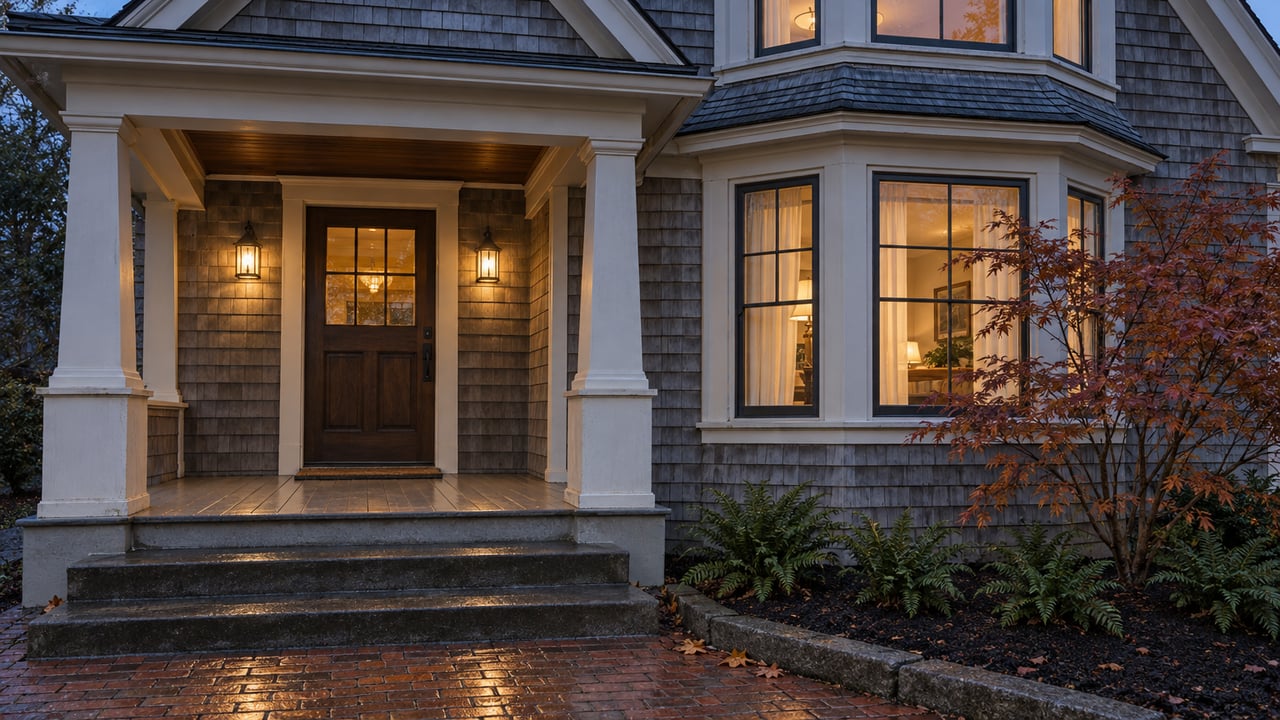
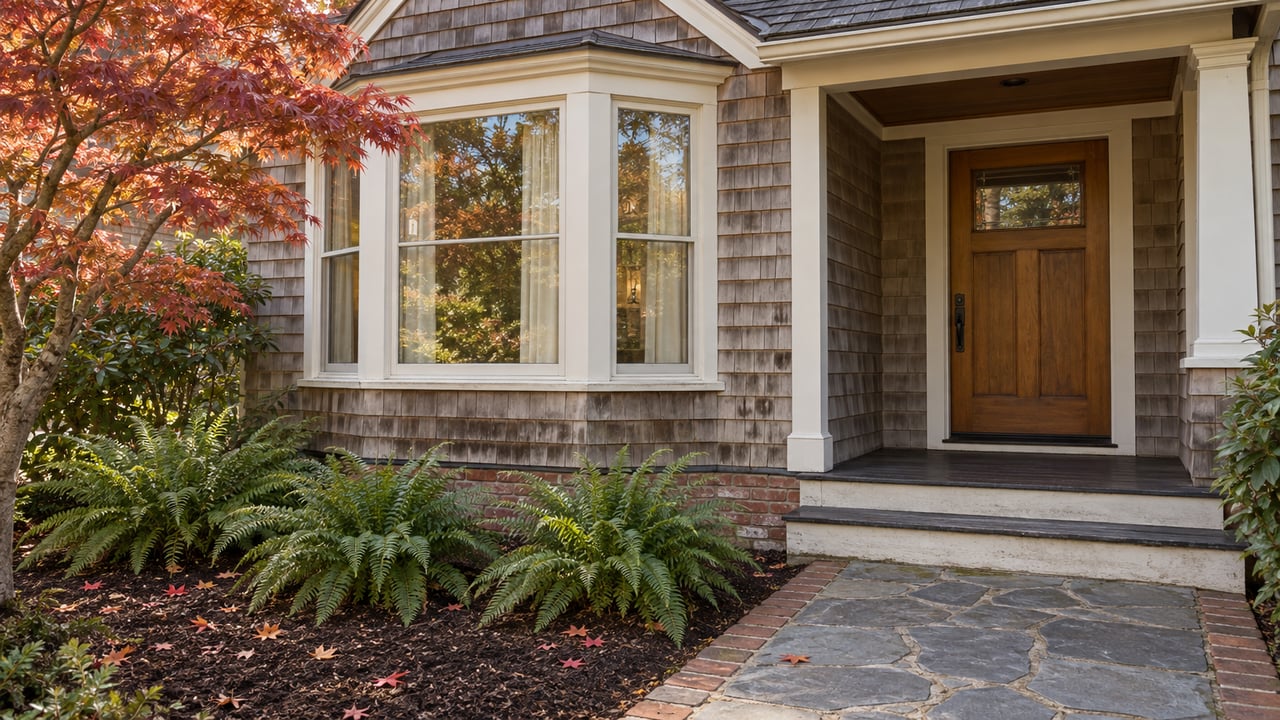
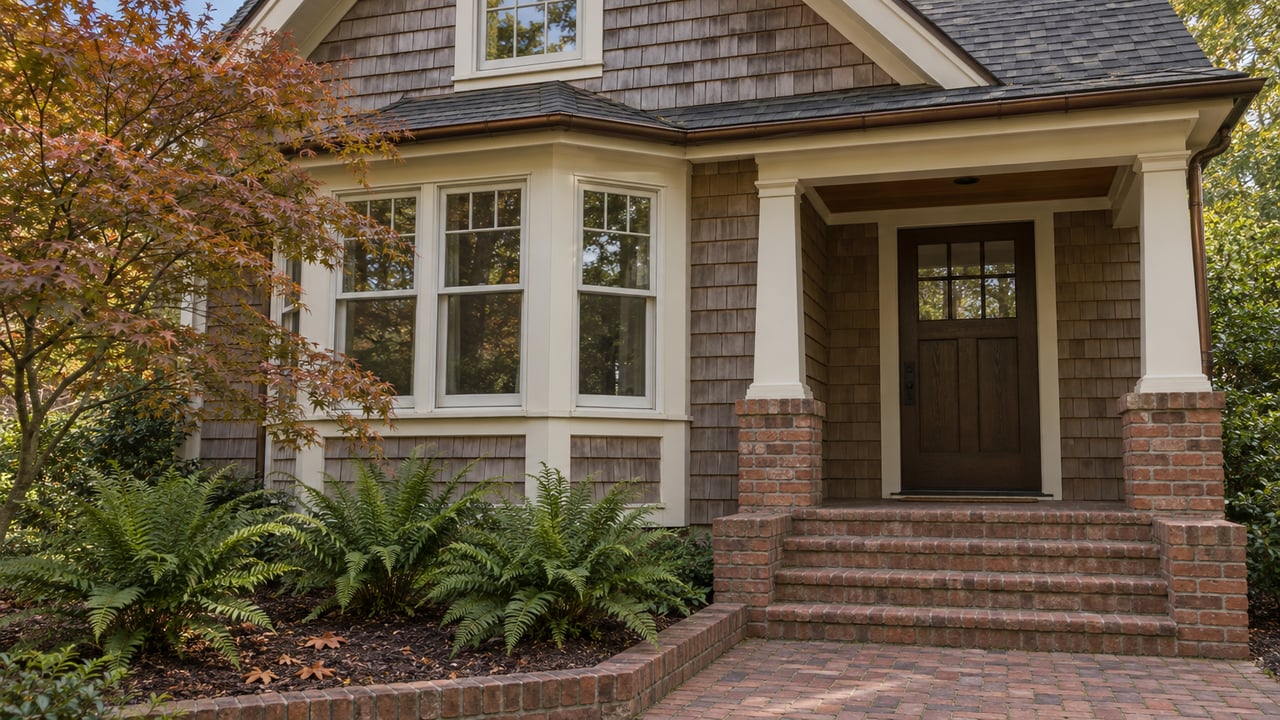
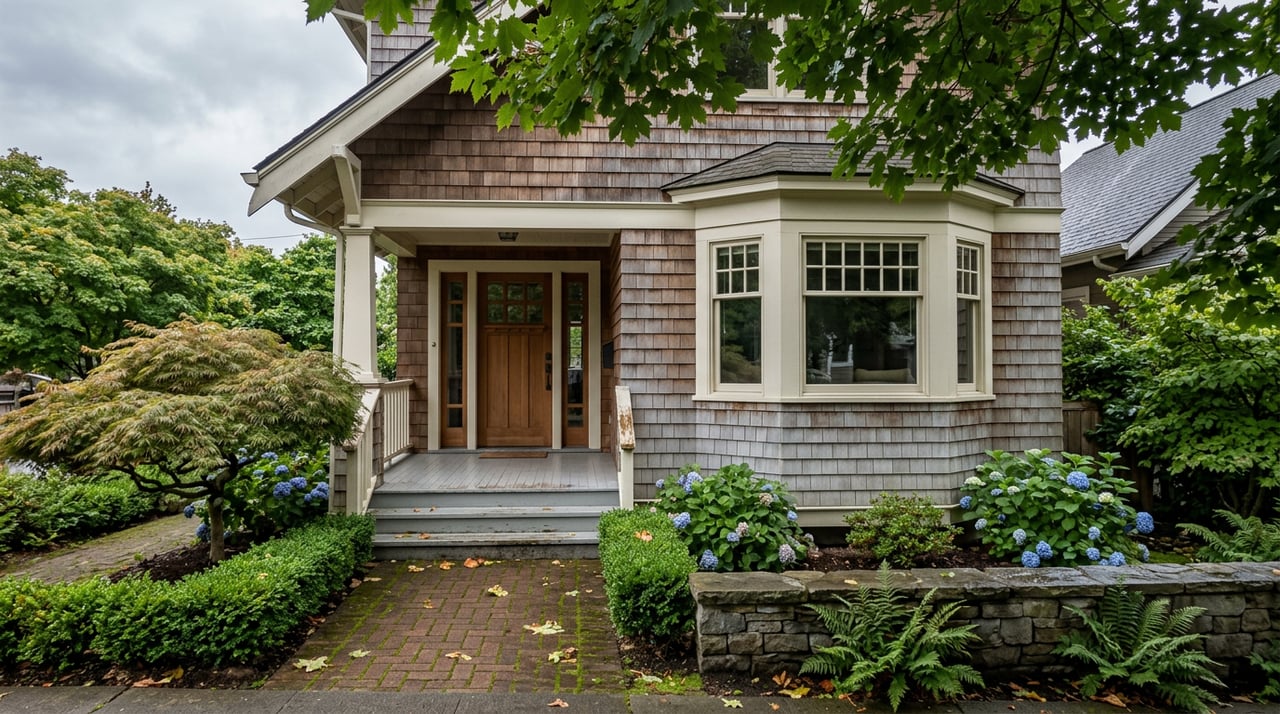
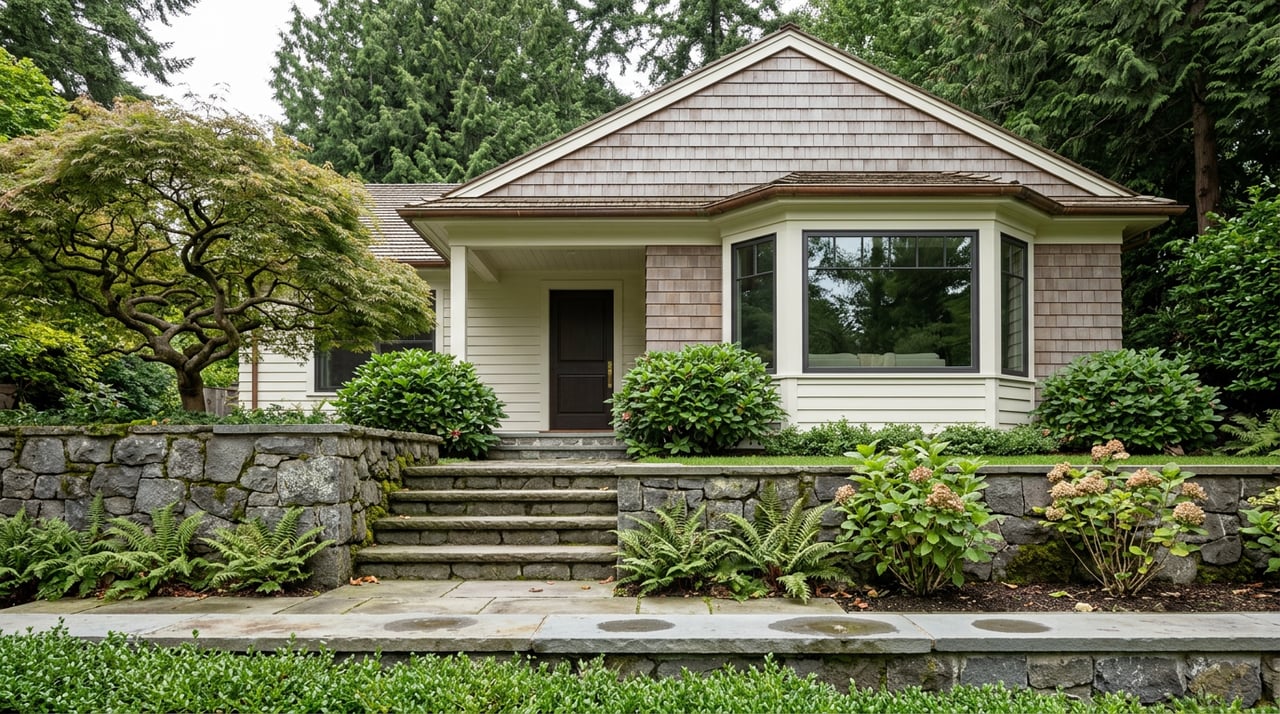
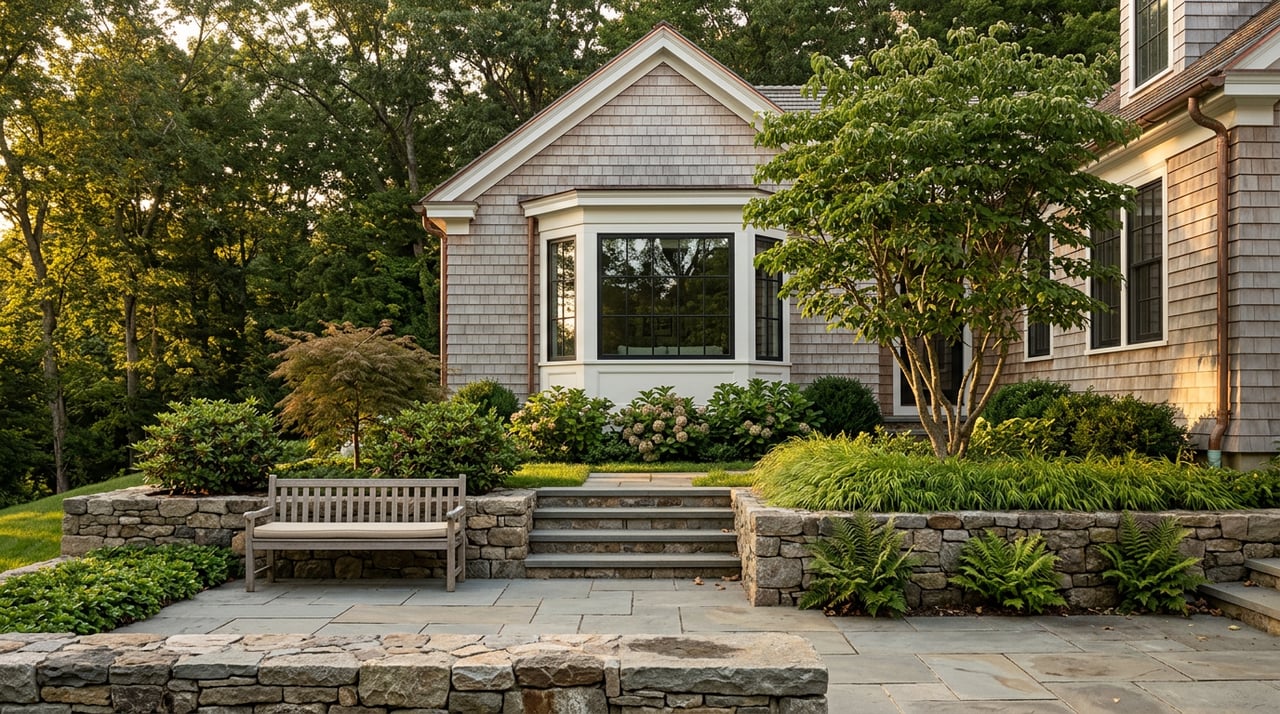
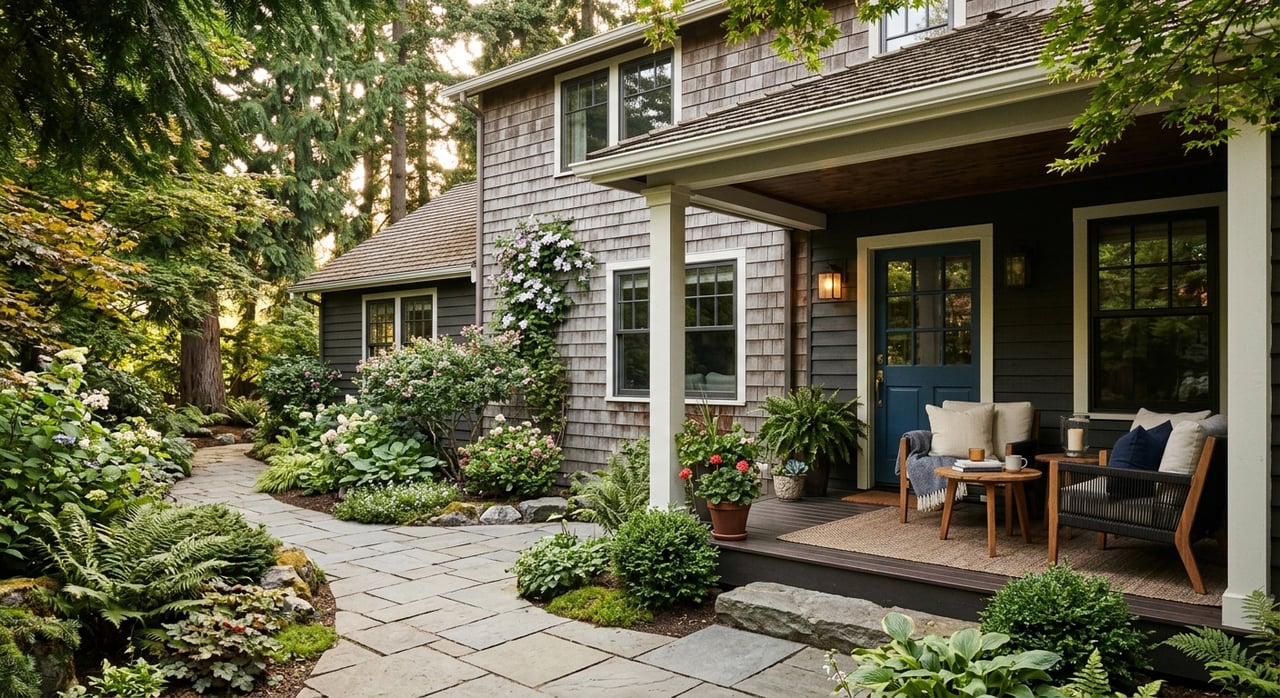
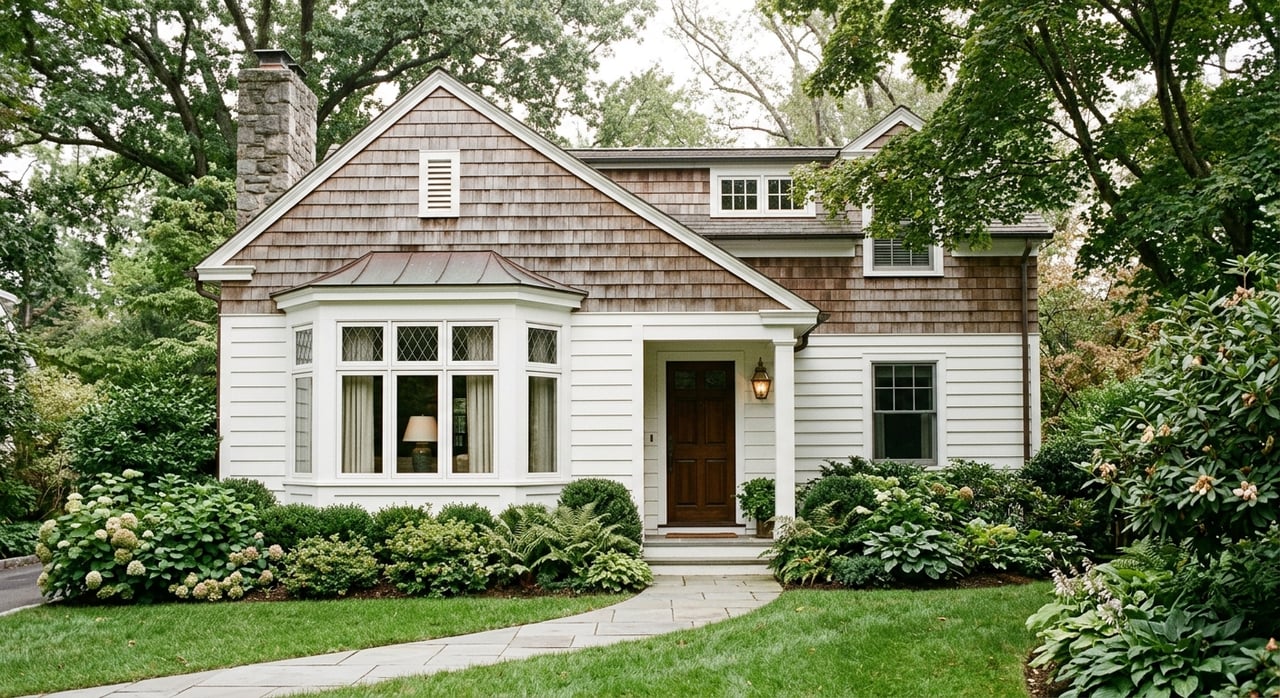
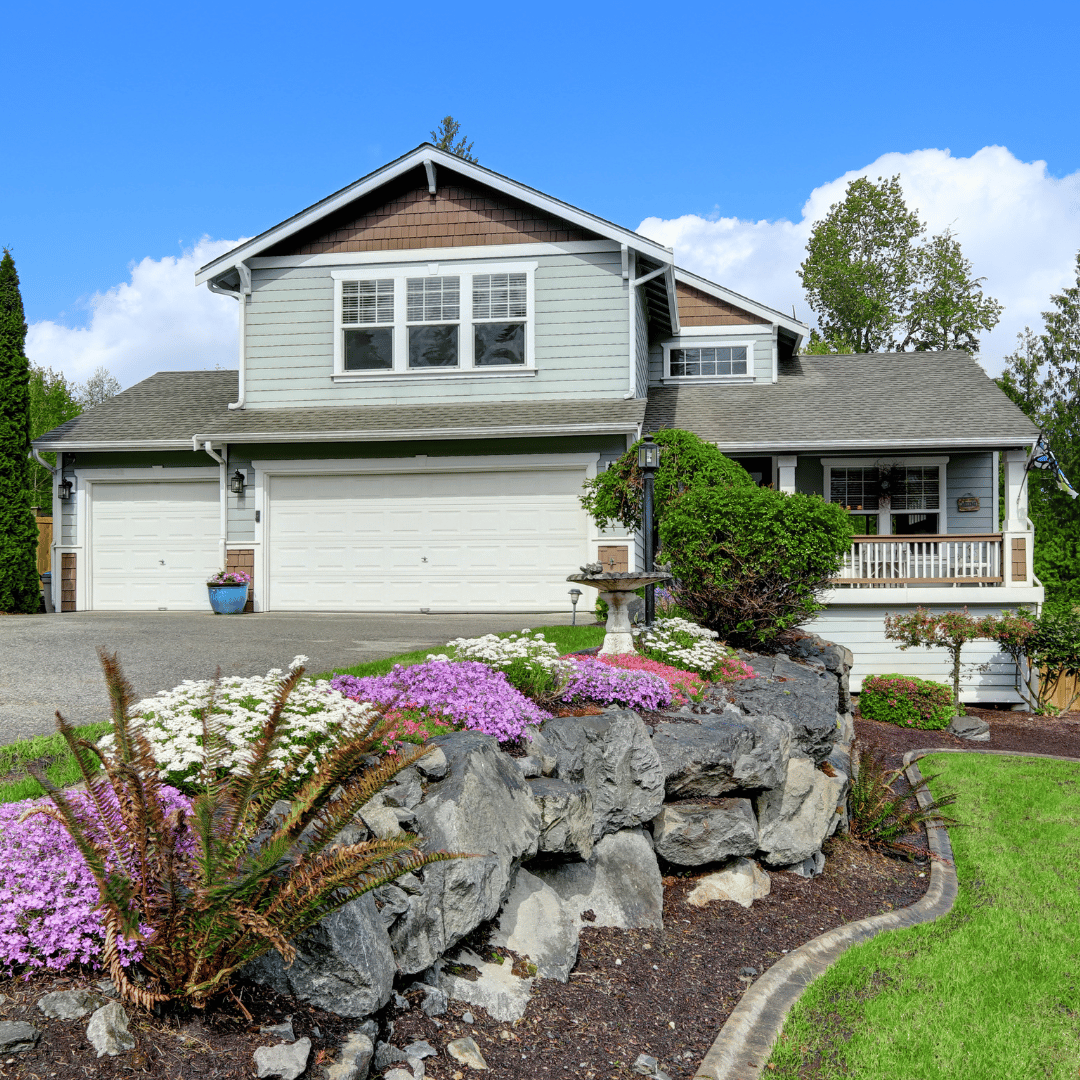
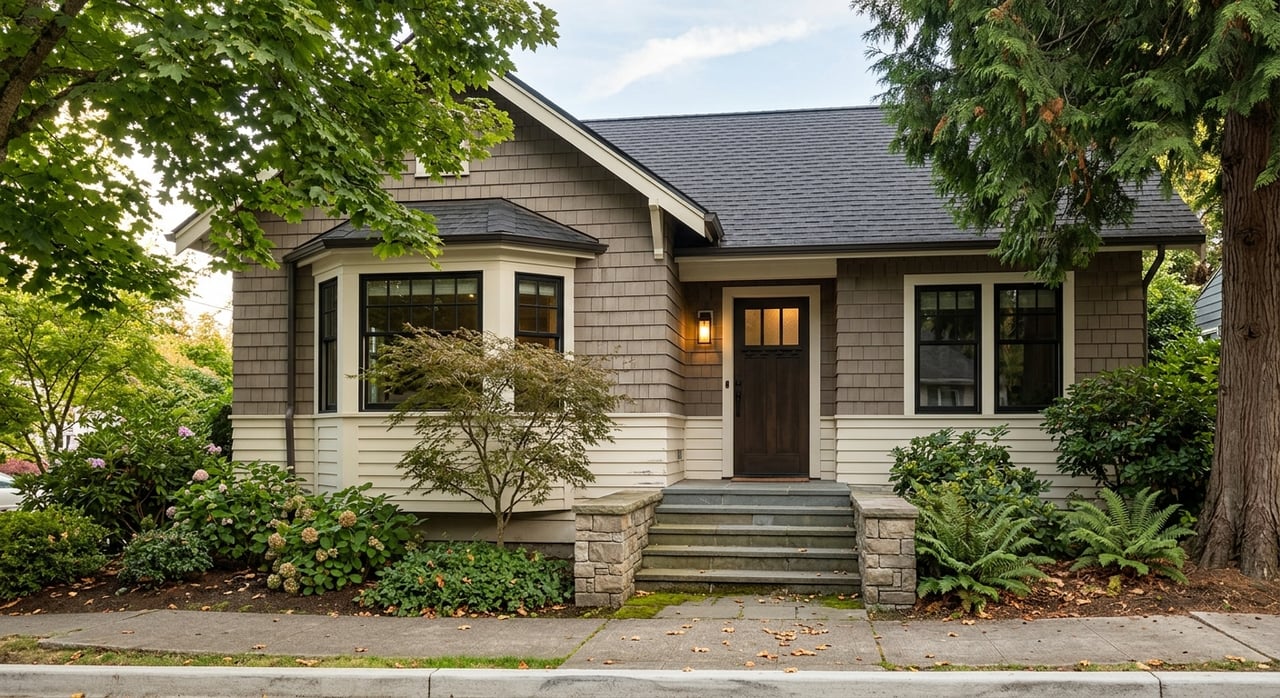
Madison Park’s housing stock is one of the clearest expressions of its identity. The neighborhood is primarily made up of older detached single-family homes, along with waterfront condominiums and a small number of apartment buildings. That low-rise mix helps preserve the area’s established residential feel.
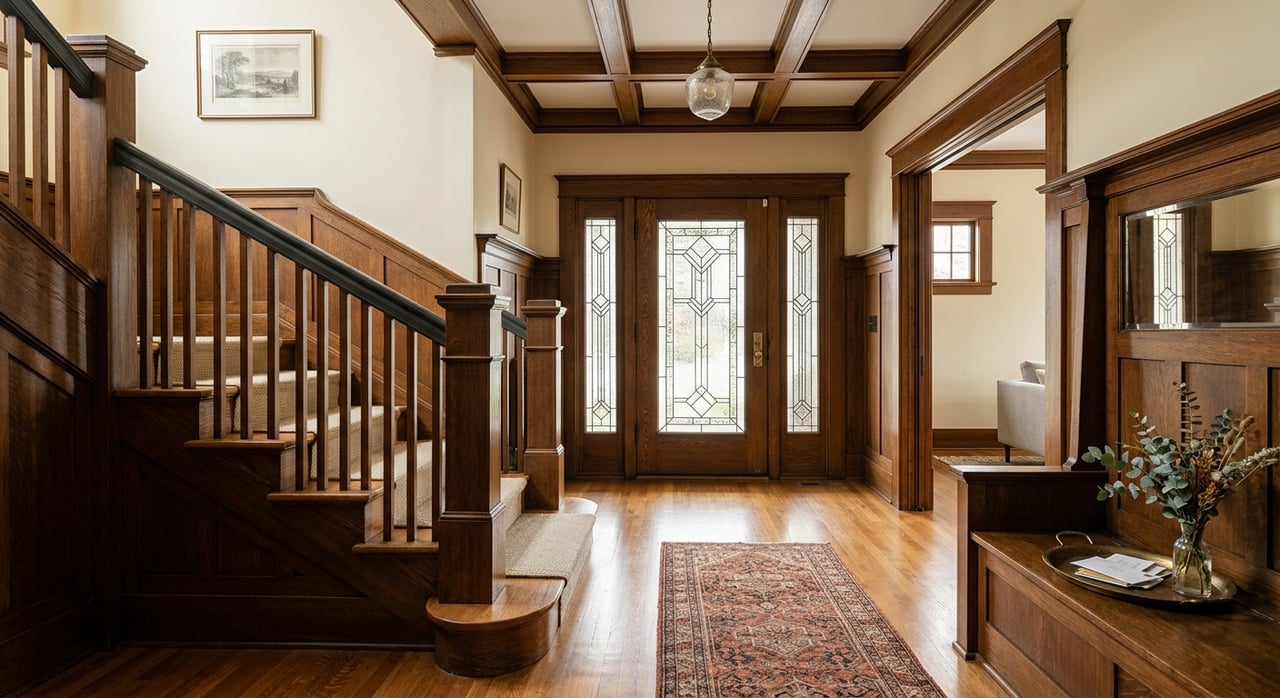
The neighborhood’s architectural character remains largely intact, with some buildings dating from the 1920s through the 1940s, alongside later construction from the 1950s through the 1980s. As you walk the area, that range can create a layered streetscape rather than a one-note look. For buyers, it often means more variety in style and home type than you might expect from a compact neighborhood.
King County’s assessor report also notes that the Madison Park and Washington Park subarea contains some of the highest building grades and land values in the broader area. That does not tell you what any one home will feel like or cost, but it does reinforce the neighborhood’s long-standing demand and limited supply story.
Who Madison Park Often Appeals To
Madison Park can be a strong fit if you want an established, lake-oriented setting with a small commercial core and a clear neighborhood identity. Buyers often look here for a combination of waterfront access, lower-rise surroundings, and a more grounded residential feel. The setting can also appeal to people who want a Seattle address that feels calm and distinct.
For condo buyers, the waterfront-adjacent inventory may be especially interesting if you want a lock-and-leave lifestyle near amenities and the lake. For house buyers, the draw is often the neighborhood’s established homes, mature setting, and proximity to open space. In both cases, inventory tends to feel limited because there are not many places in Seattle that offer this exact mix.
For sellers, Madison Park’s story is often rooted in location. Lake access, walkability to the village center, and the scarcity of similarly positioned homes can all shape buyer interest. Presenting those advantages clearly is important in a neighborhood where lifestyle matters as much as square footage.
What Buyers Should Keep in Mind
If you are considering Madison Park, it helps to think beyond the map and ask how you want your days to feel. Do you want to be close to the water? Do you value a neighborhood center where essentials are nearby? Do you want city access without a constant urban pace?
You should also pay attention to the specific location of any home within the neighborhood. Some homes will feel more tied to the village core, while others may feel more tucked away and residential. That difference can shape your day-to-day experience just as much as the home itself.
Because the housing stock includes both older homes and condos, it is helpful to compare lifestyle fit, upkeep expectations, and long-term goals. The right choice is not just about what is available. It is about what supports the way you want to live in Seattle.
Why Local Guidance Matters Here
Madison Park is a neighborhood where nuance matters. Two homes can both have a Madison Park address and offer very different experiences based on micro-location, outlook, access to the waterfront, and proximity to the village center. That is one reason hyperlocal knowledge is so valuable.
For buyers, local guidance can help you understand how the neighborhood really functions beyond a quick visit. For sellers, it can help position a home around the details that matter most to likely buyers in this pocket of Seattle. In a place with a strong identity and limited inventory, that local perspective can make a real difference.
If you are exploring Madison Park, working with a team that knows the neighborhood block by block can help you move with more clarity and confidence. That is especially true in a market where lifestyle, presentation, and timing all matter.
When you are ready to talk through Madison Park or other Lake Washington corridor neighborhoods, Hinds Team offers the kind of deep local knowledge and thoughtful guidance that can help you make a smart next move.
FAQs
Is Madison Park in Seattle walkable for daily errands?
- Yes. The city’s neighborhood profile lists groceries, coffee shops, restaurants, retail, a bike shop, salons, a gallery, and parks or open spaces within or near the neighborhood center.
What is Madison Park in Seattle known for?
- Madison Park is known for its Lake Washington shoreline, public beach, low-rise residential character, and small village-like neighborhood center.
How do you get from Madison Park to Downtown Seattle?
- King County Metro Route 11 provides direct service between Madison Park and Downtown Seattle, and East Madison also offers straightforward driving access toward downtown.
What types of homes are in Madison Park Seattle?
- The neighborhood is primarily made up of older detached single-family homes, along with waterfront condominiums and a small number of apartment buildings.
Does Madison Park feel urban or suburban?
- It tends to feel like a quiet lakeside village within the city, with a residential setting, a small commercial core, and strong access to parks and the waterfront.