Selling in Madison Park is not just about putting a sign in the yard and waiting for offers. In a neighborhood where lake proximity, views, and presentation can shape buyer interest, timing and strategy matter from the very first decision. If you are thinking about selling, this guide will help you understand when to launch, how to price, and what steps can help your home stand out in today’s market. Let’s dive in.
Why Madison Park Requires a Local Strategy
Madison Park is a distinct pocket of Seattle, and your selling plan should reflect that. The neighborhood’s setting along Lake Washington, along with its public beach, park amenities, and view-oriented lifestyle, makes it different from the broader city market in both buyer expectations and pricing dynamics.
That difference shows up clearly in the numbers. As of April 30, 2026, Zillow reported an average home value of $1,799,004 in Madison Park, compared with $871,599 for Seattle overall. Madison Park also had 28 homes for sale and 11 new listings, which points to a smaller, more specialized market where broad city averages are useful context, but not a pricing blueprint.
Timing Your Madison Park Sale
Spring Still Leads the Market
For many sellers, spring remains the strongest season to list. Zillow’s 2026 timing analysis identified the first half of April as Seattle’s best listing window, with a modeled 2.9% premium, while spring more broadly continues to bring the highest inventory and the strongest buyer activity.
That does not mean every seller should wait for one perfect month. In a neighborhood like Madison Park, the better approach is to think in weeks, not seasons. If your home is ready and your pricing is sharp, launching in a well-prepared early spring or late spring window may matter more than chasing a broad seasonal headline.
Summer and Fall Can Still Work
Summer can stay active, but buyer activity may dip during vacation weeks. Fall often attracts serious buyers too, though they may be more price-sensitive and less willing to overlook presentation or pricing mistakes.
That matters in a market that is not especially forgiving. Seattle’s March 2026 data showed a median sale-to-list ratio of 0.996, with 29.0% of sales above list price and 46.8% below list price. Strong homes still win attention, but weaker listings can lose momentum quickly.
Launch Day Matters More Than You Think
If you have flexibility, your list date is worth planning carefully. Zillow’s timing guidance found that Thursday listings tend to go pending faster, while Sunday listings tend to linger longer.
That does not guarantee a result, but it supports a more intentional launch plan. In practice, that means finishing prep early, lining up photography and marketing materials ahead of time, and going live when buyer attention is likely to be strongest.
Pricing for Today’s Madison Park Market
Start With Neighborhood Competition
Pricing a Madison Park home should begin with Madison Park data. The gap between Madison Park’s average value, Seattle’s average value, and King County’s median sold price is simply too wide to rely on countywide or citywide benchmarks alone.
King County’s April 2026 NWMLS recap showed 3.00 months of inventory, which is still below a balanced market. At the same time, active listings were up nearly 30% year over year, and the county median sold price was down 5.29% from a year earlier. That combination tells you buyers still have choices, even if inventory is not fully balanced.
First Pricing Decisions Carry Weight
Today’s market appears split between homes that move quickly and homes that sit. Zillow reported that nearly 1 in 5 U.S. homes sold within seven days, and in fast markets like Seattle, quick sellers were 2.6 times more likely to sell above asking than the typical listing.
At the same time, the typical sold home went pending after 19 days, while the median active listing had already been on the market for 56 days. The lesson is simple: homes that hit the market in the right price band can gain traction early, while homes that test the market too aggressively may struggle to recover.
Avoid the “Test High” Trap
In a high-value neighborhood, it can be tempting to start with an aspirational number and see what happens. But current market data suggests that strategy carries real risk.
When buyers sense a home is priced ahead of the market, they often pause instead of competing. In Madison Park, where buyers expect quality and compare carefully, the safer strategy is usually to price to compete immediately rather than to plan for a reduction later.
Presentation Can Shape Buyer Response
Why Staging Still Matters
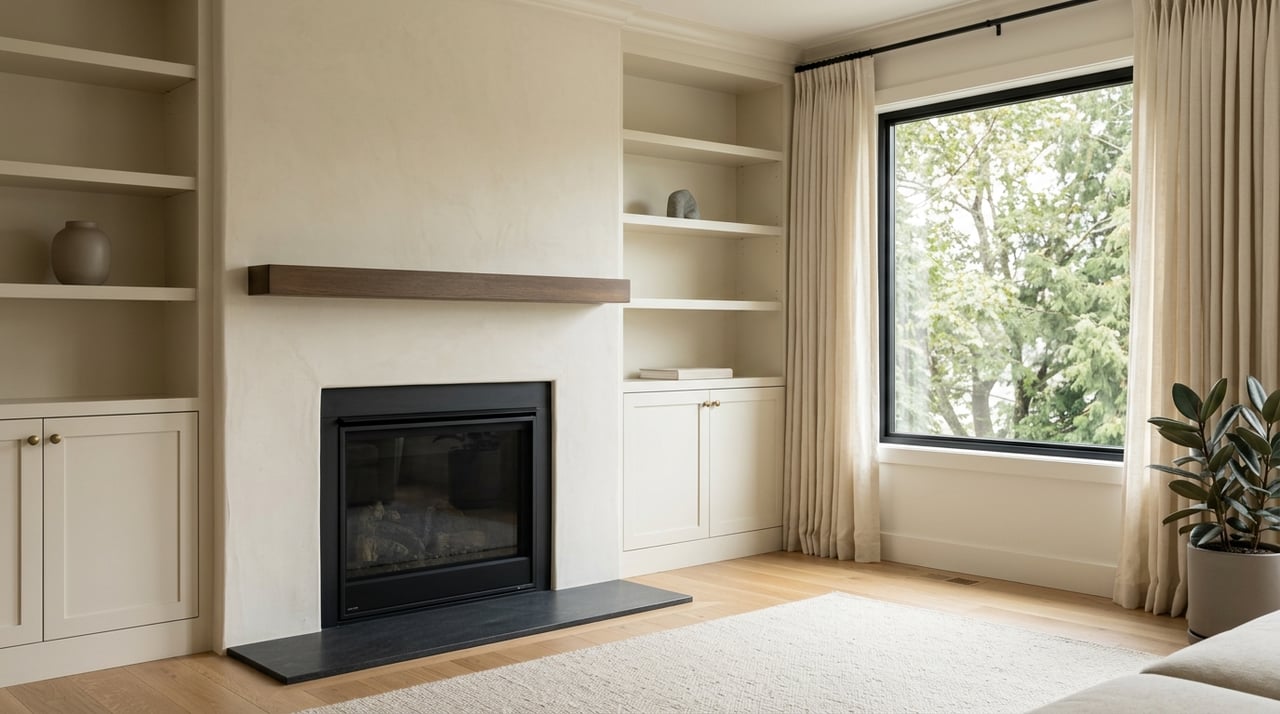
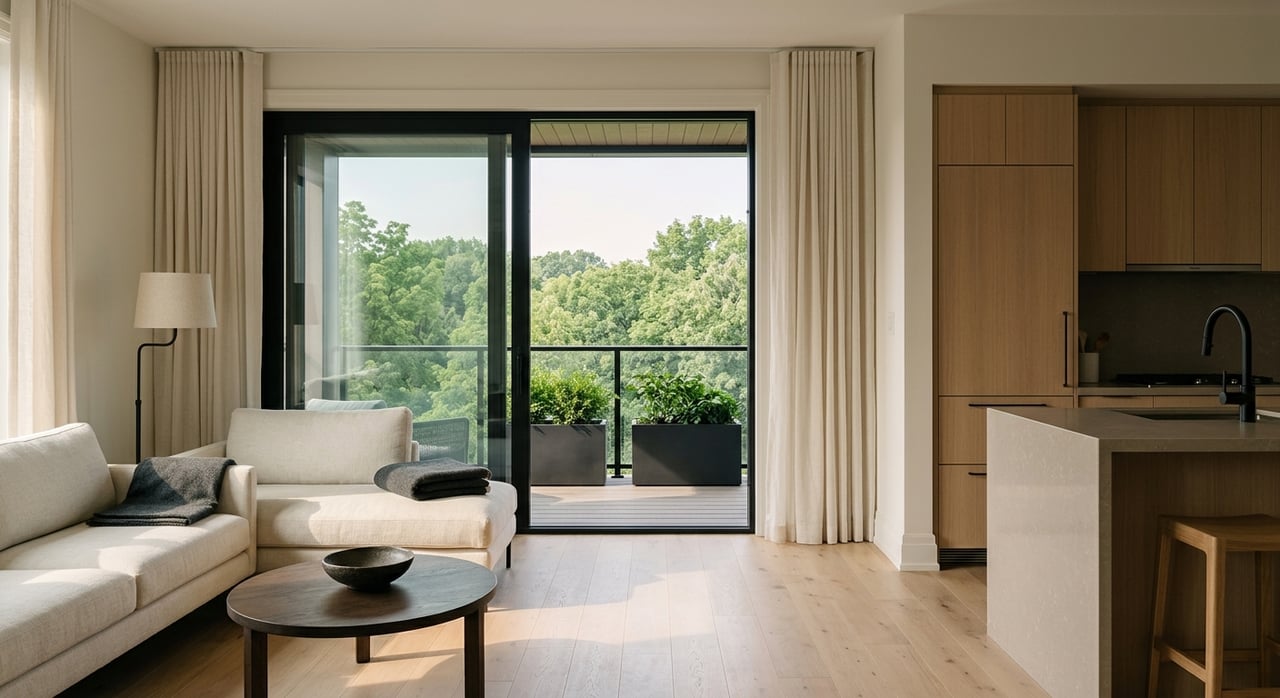
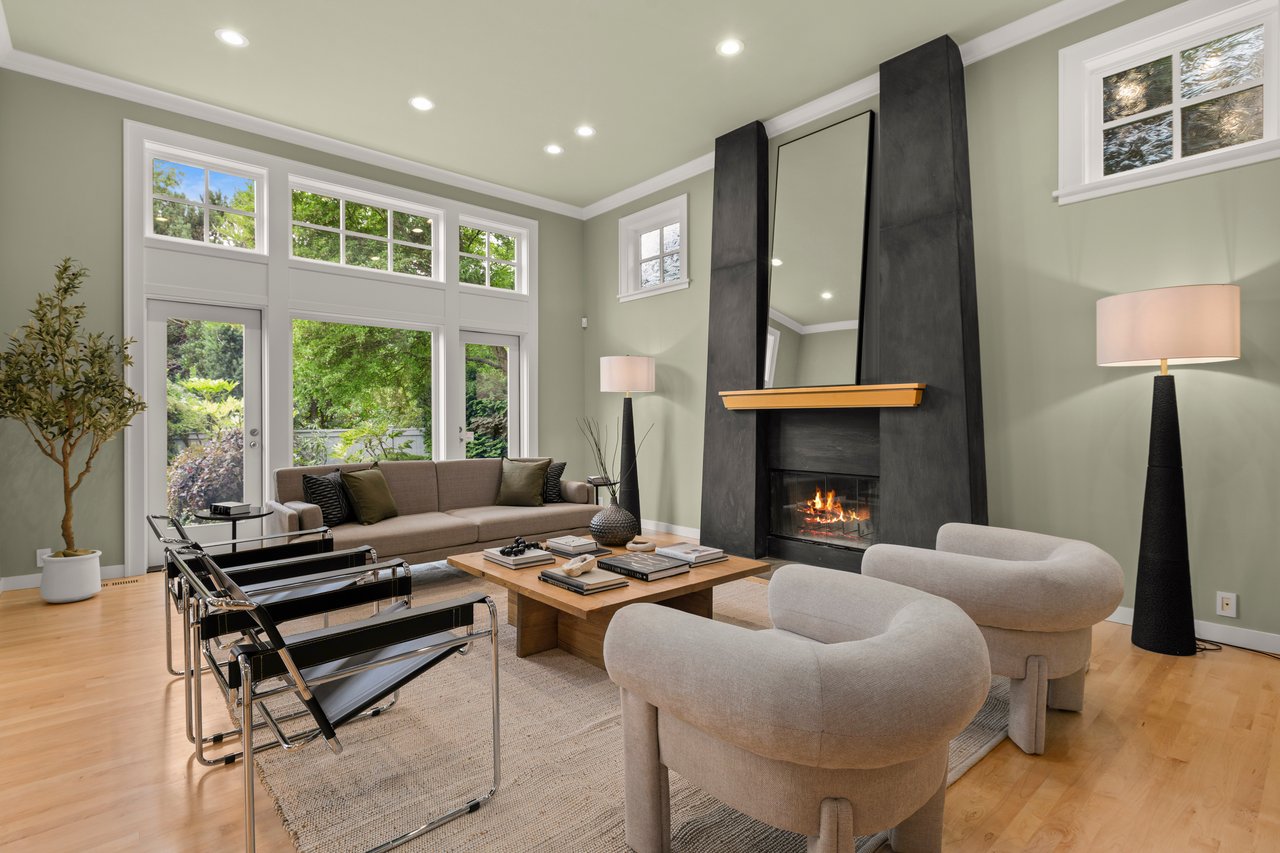
Presentation is especially important in a neighborhood where light, sight lines, and indoor-outdoor connection are part of the appeal. According to the National Association of Realtors’ 2025 Profile of Home Staging, 83% of buyers’ agents said staging made it easier for buyers to visualize a property as a future home.
The most commonly staged rooms were the living room, primary bedroom, dining room, and kitchen. Buyers’ agents also pointed to photos, physical staging, videos, and virtual tours as important listing assets, which makes thoughtful presentation more than just a finishing touch.
What Buyers Notice in Madison Park
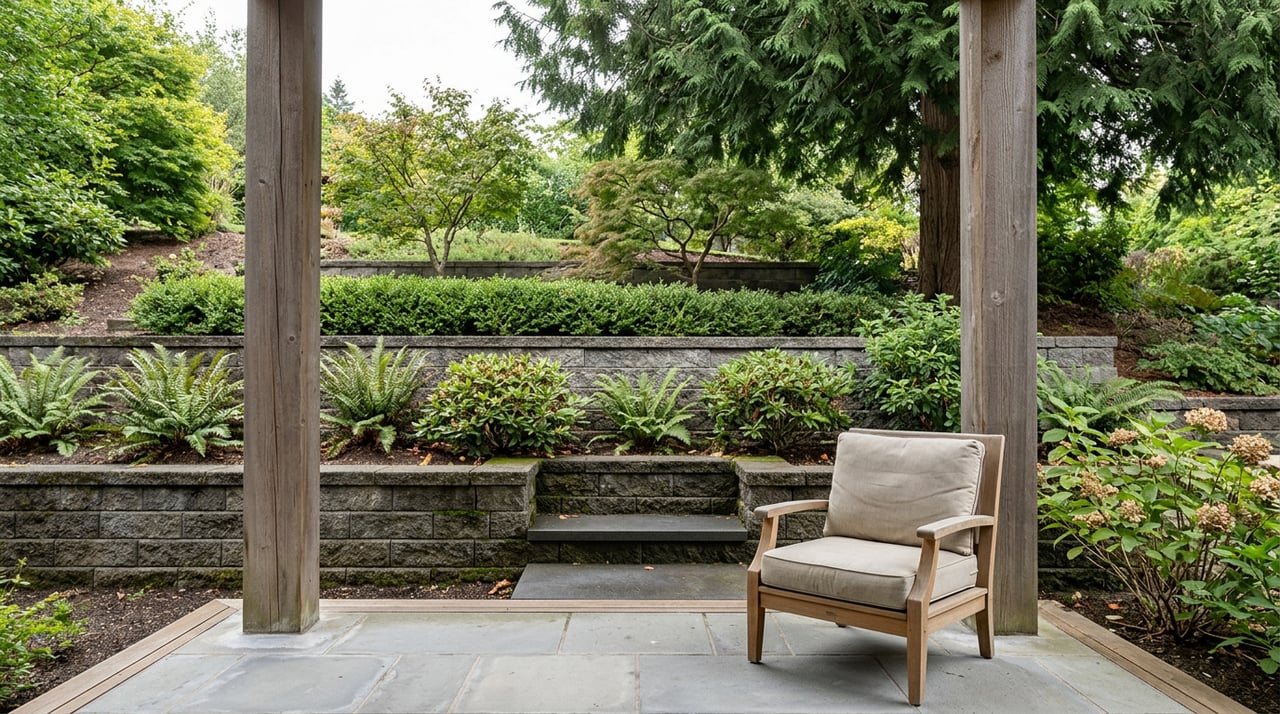
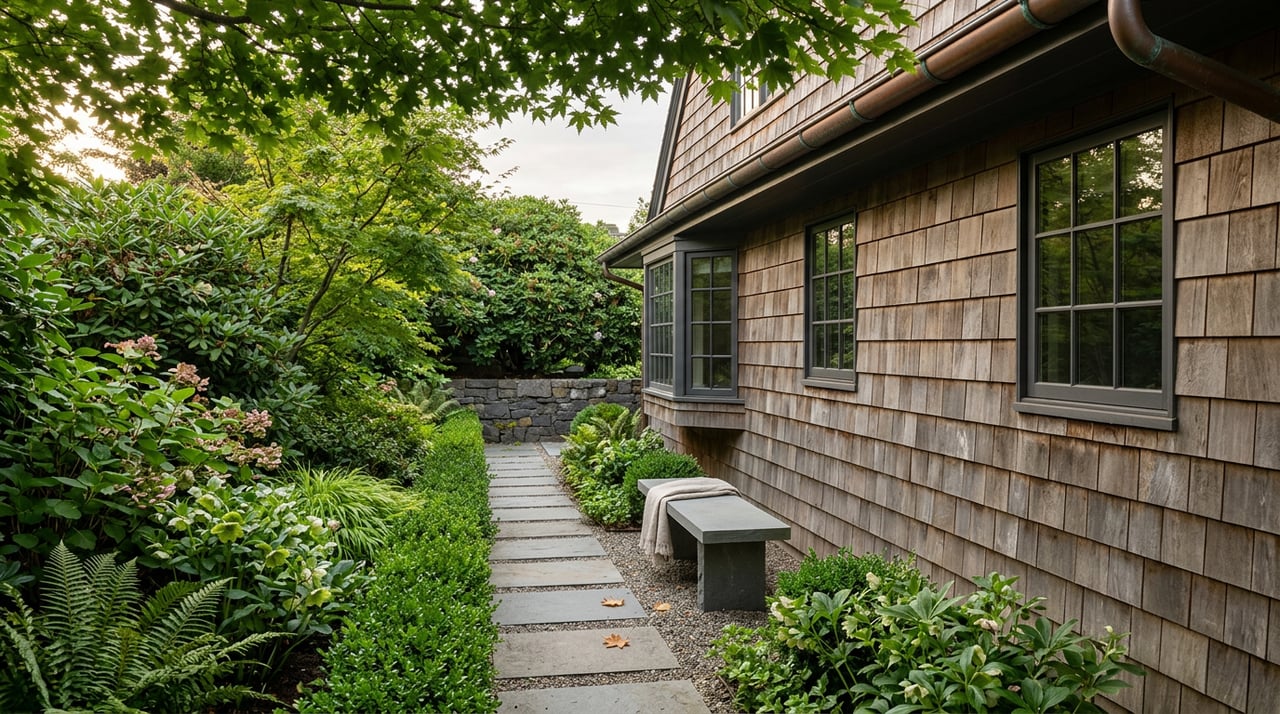
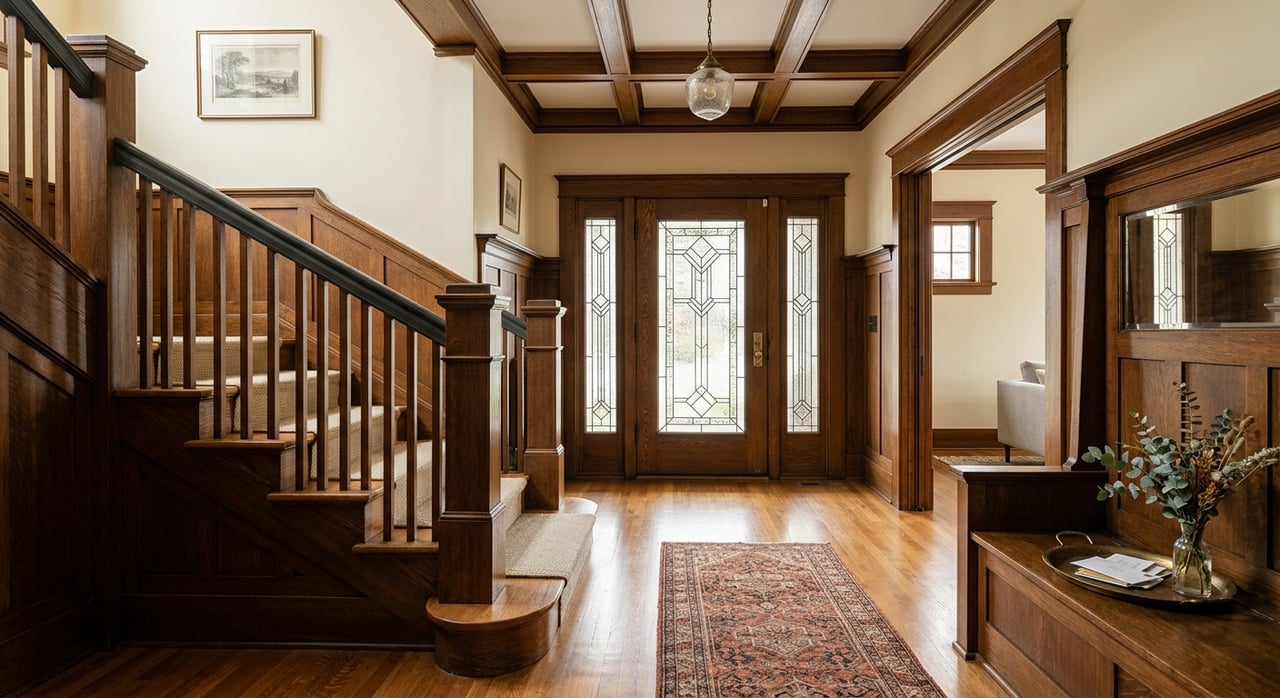
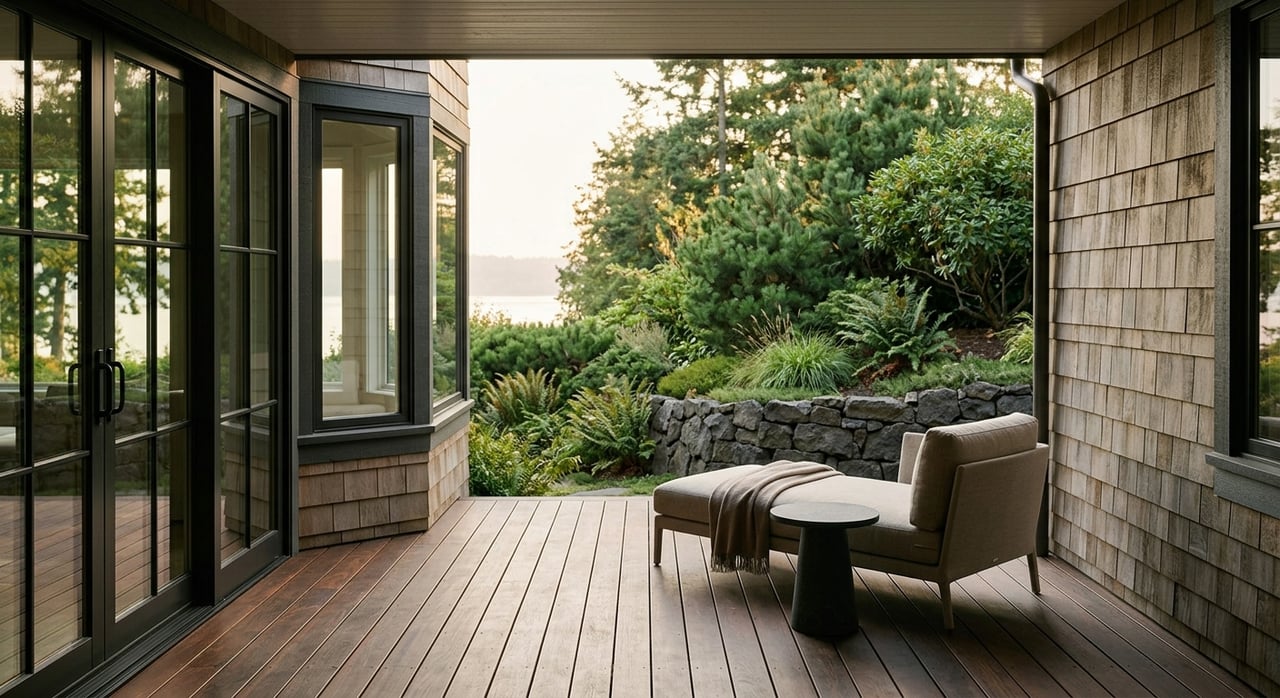
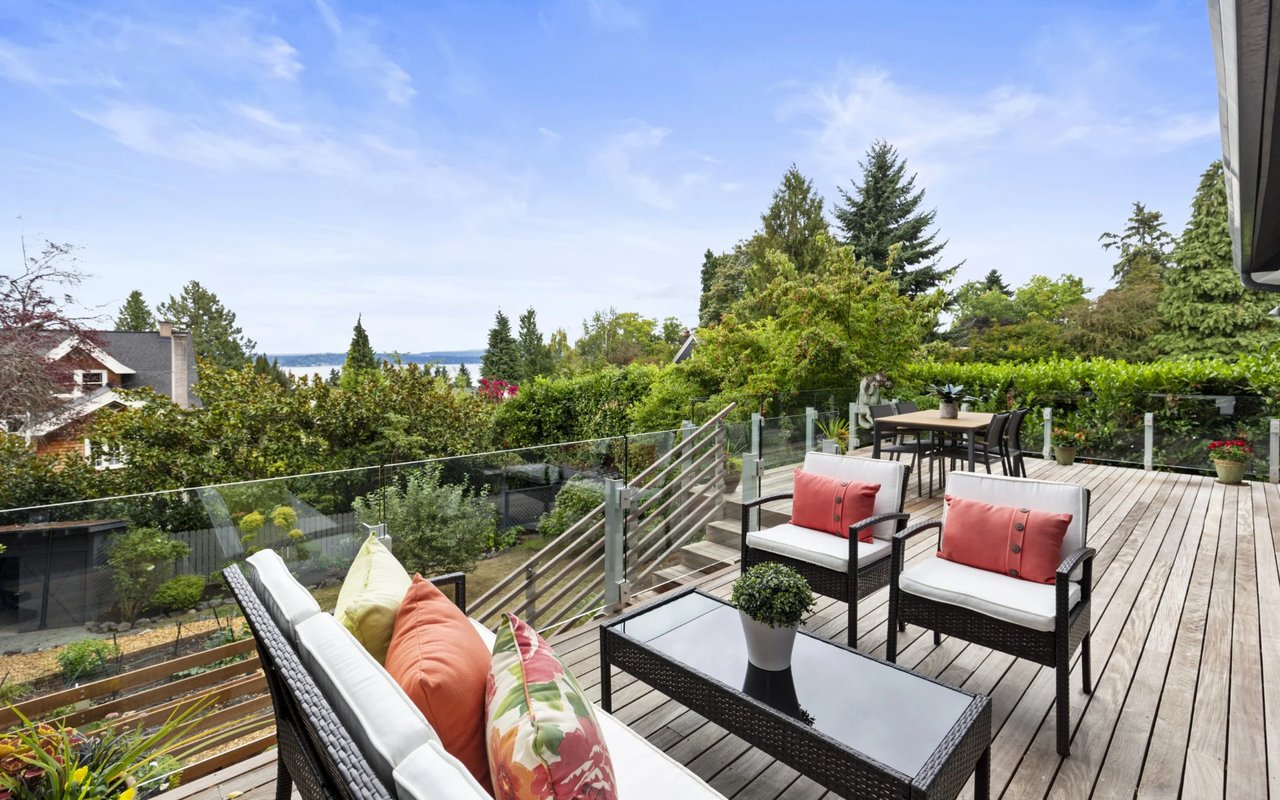
In Madison Park, staging should support the setting. Because the neighborhood is closely associated with Lake Washington, beaches, benches, and views, buyers are often drawn to homes that feel bright, calm, and connected to the outdoors.
That usually means focusing on simple, high-impact details:
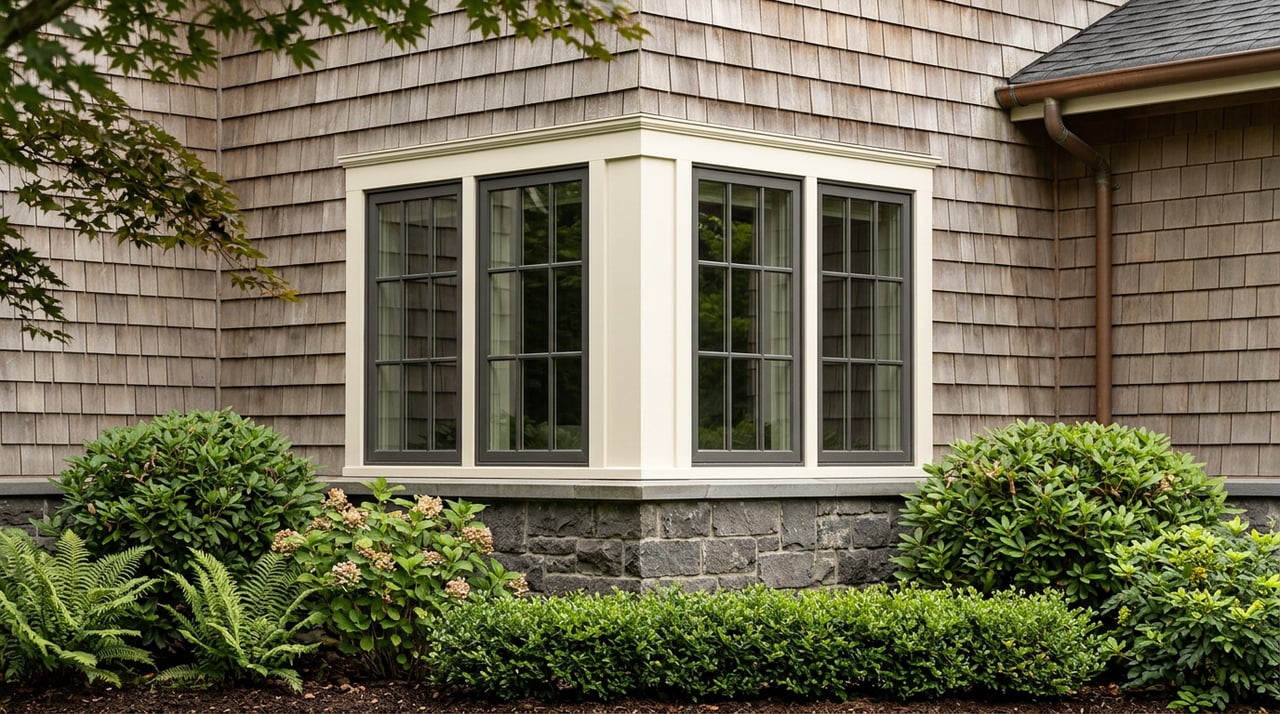
- Clean windows to maximize natural light
- Clear sight lines that keep views and room flow open
- Edited furnishings that make rooms feel spacious
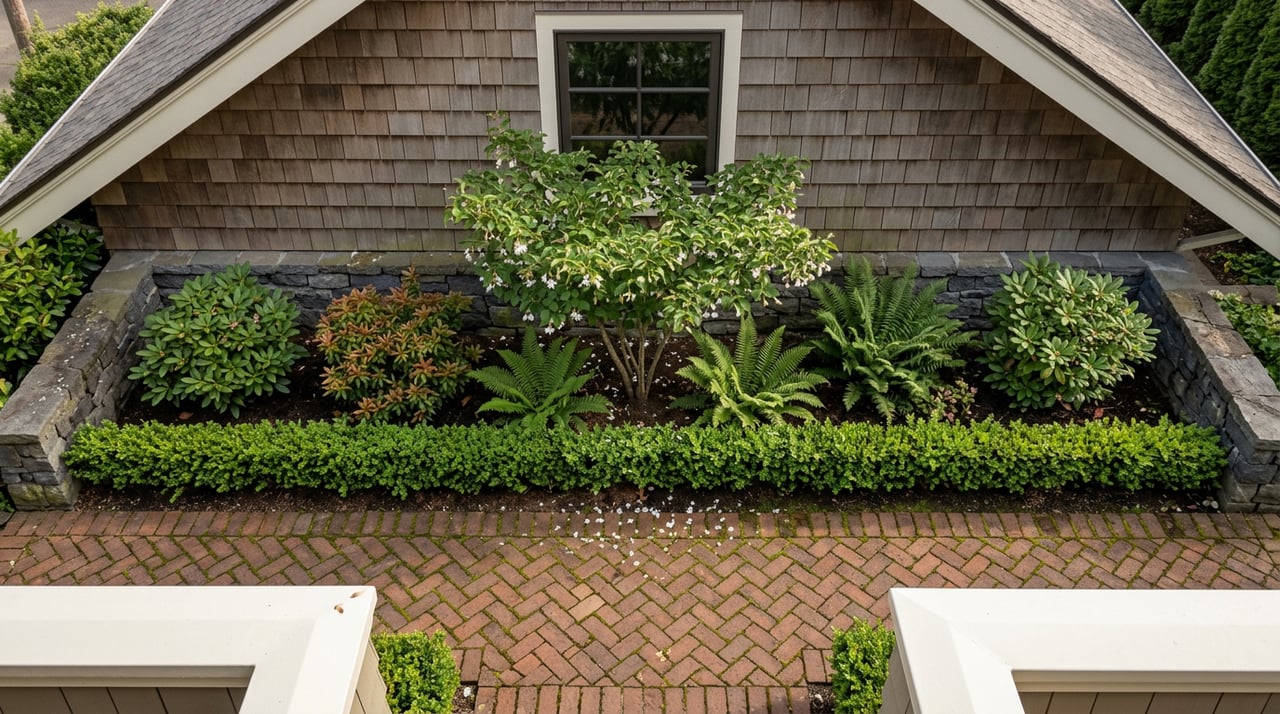
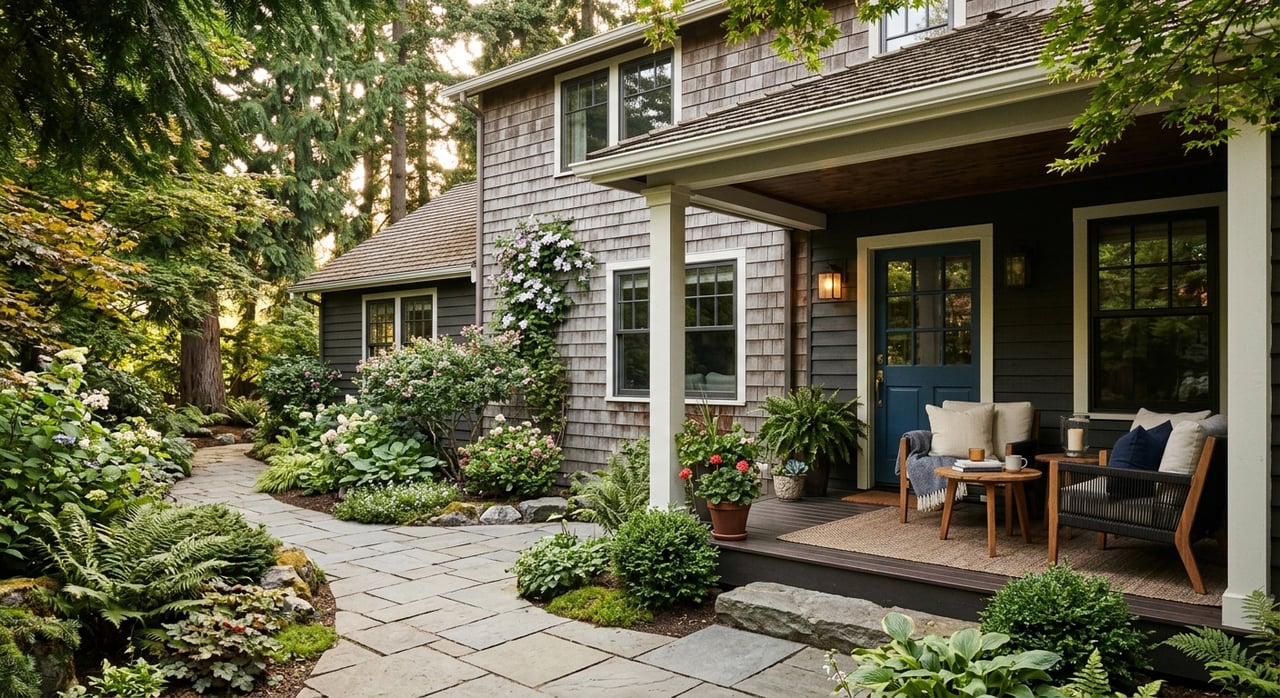
- Polished landscaping that feels cared for, not overdone
- Deep cleaning and decluttering throughout the home
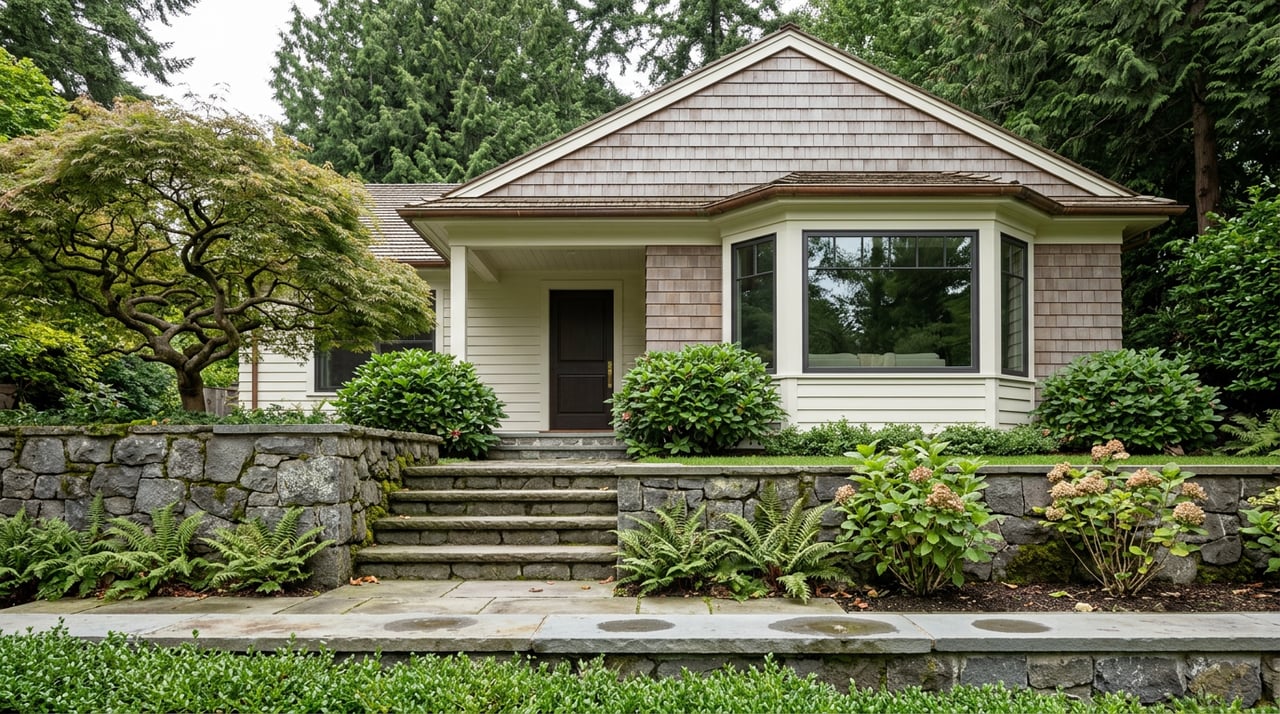
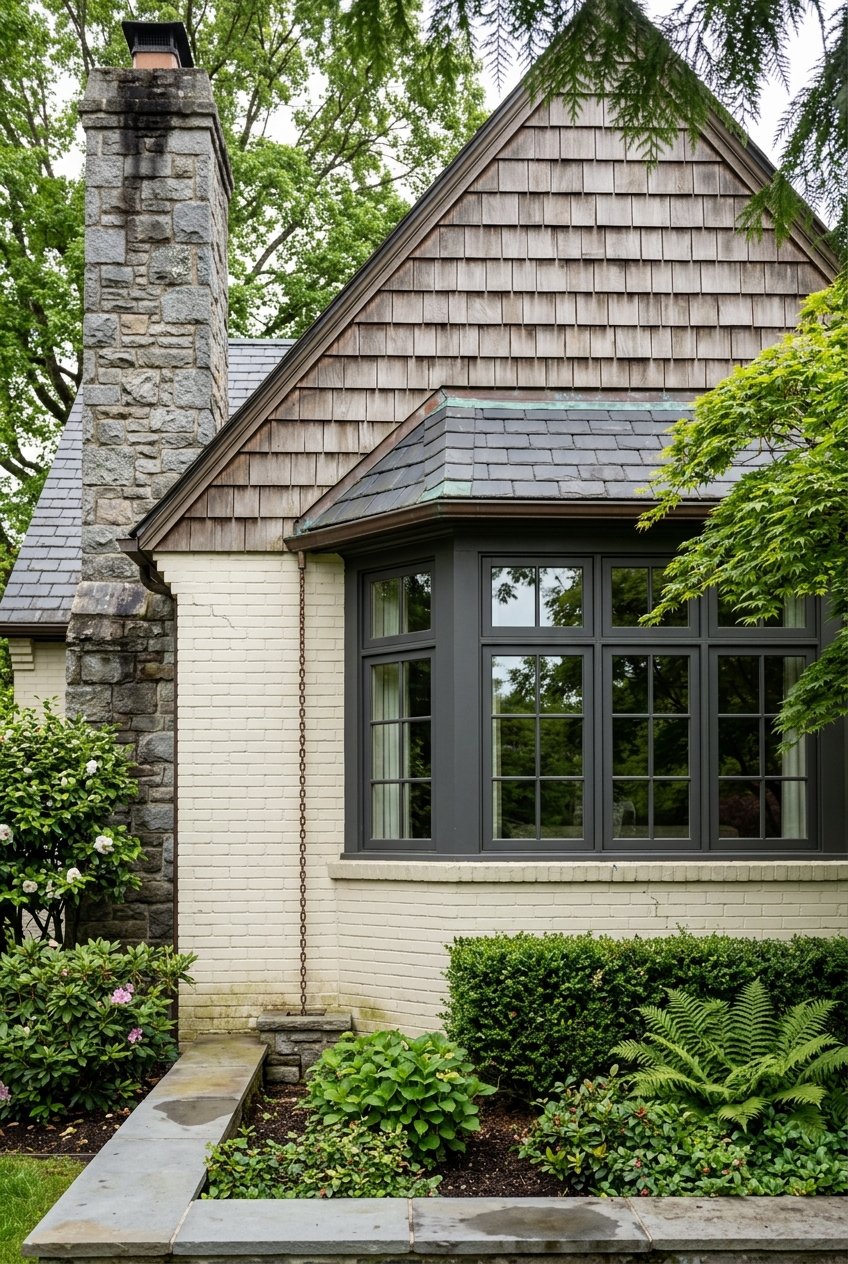
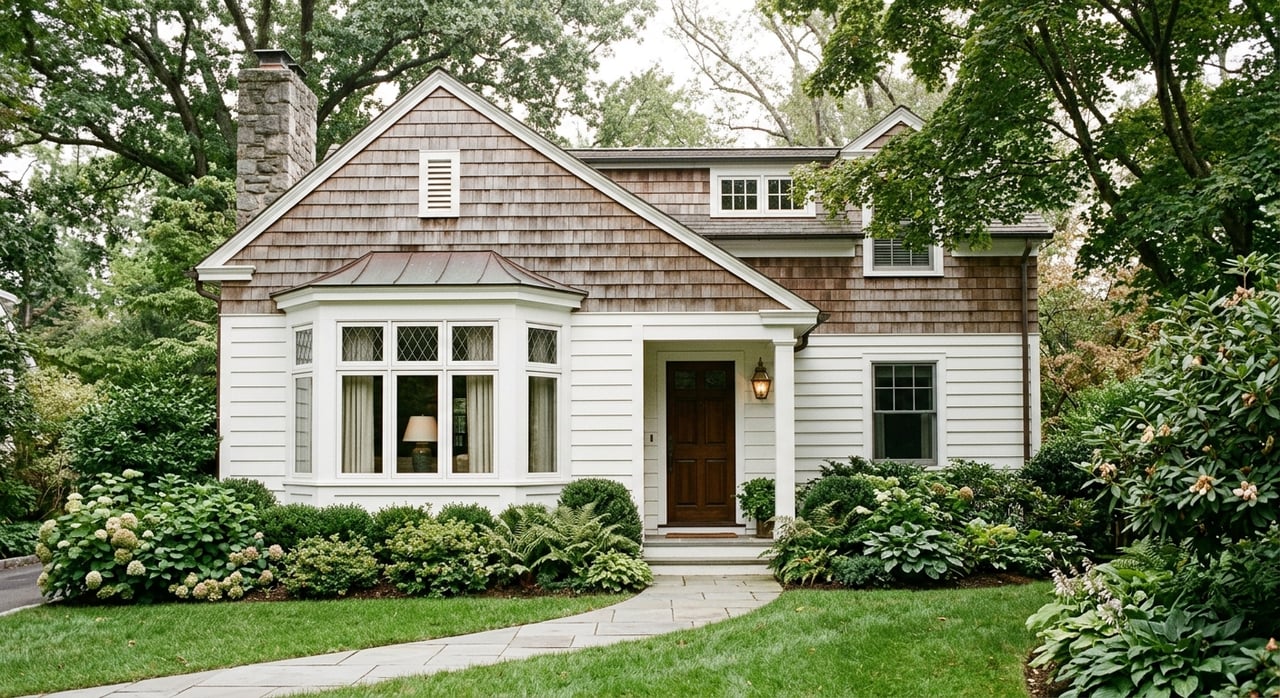
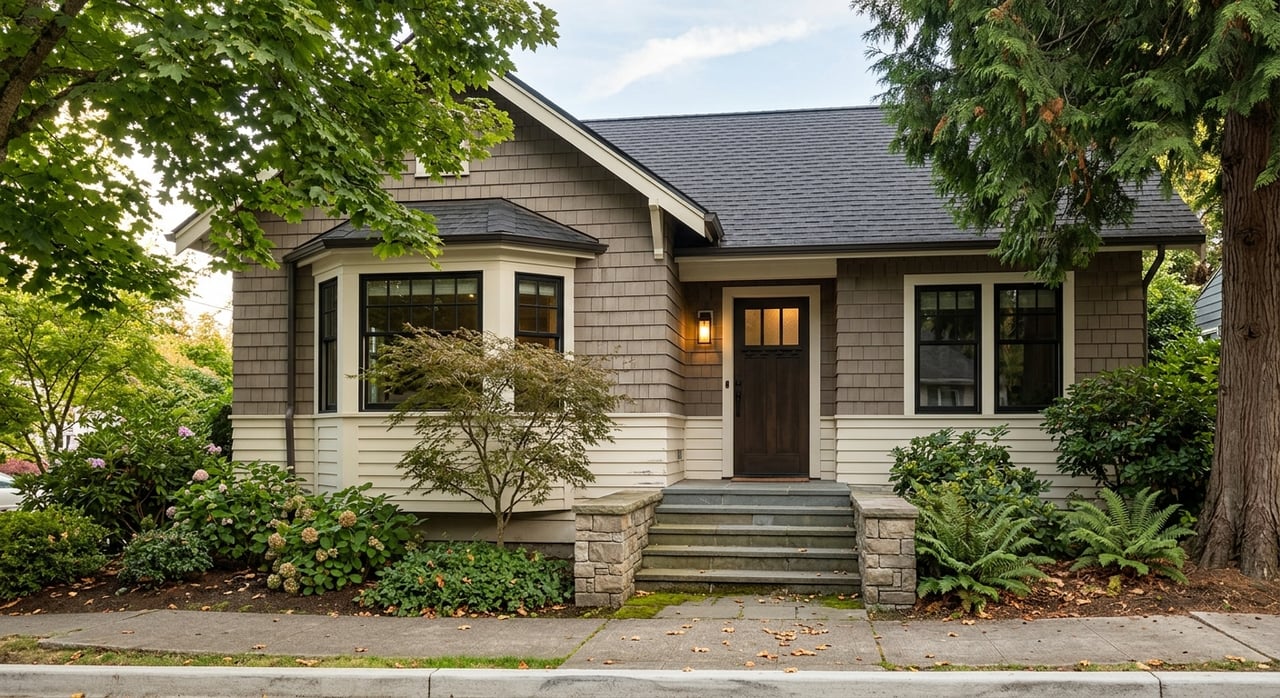
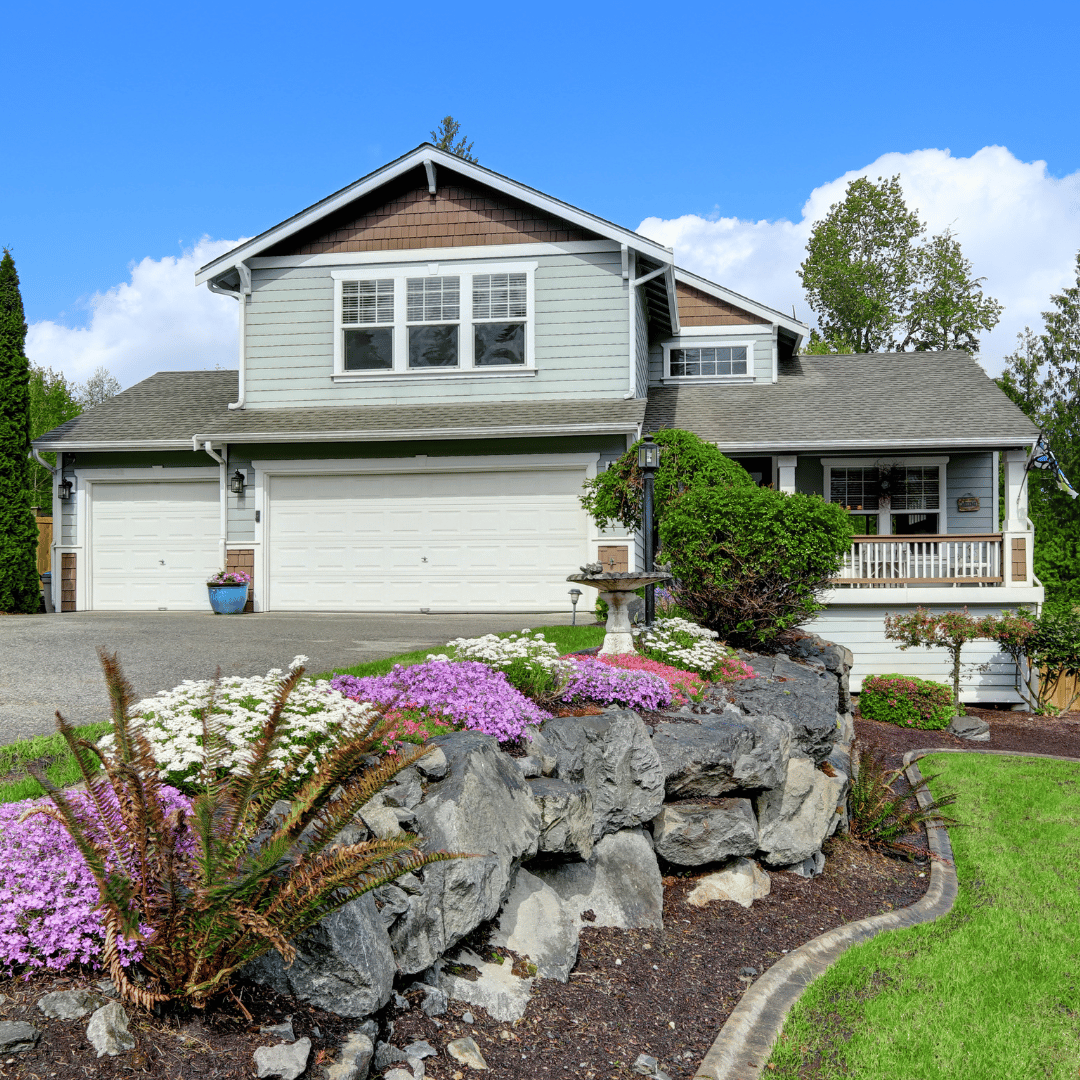
- Strong curb appeal from the moment buyers arrive
These choices help buyers focus on the home itself and the lifestyle it supports.
Don’t Overlook Disclosure and Prep Work
Older Homes Need Extra Attention
Many Madison Park homes have charm, character, and history. If your home was built before 1978, lead-based paint rules may apply, and it is important to account for that early in the process.
The EPA states that older homes are more likely to contain lead-based paint, and 24% of homes built between 1960 and 1978 have some lead-based paint. EPA and HUD rules require sellers of most pre-1978 housing to provide lead-hazard disclosure information before a buyer is obligated under a contract.
Washington Disclosure Rules Matter Too
Washington law adds its own timeline and responsibilities. Under the state disclosure statute, the seller disclosure statement must be delivered no later than five business days after mutual acceptance unless it is waived.
The law also says that if you learn new information before closing that makes the disclosure inaccurate, the disclosure must be amended. Just as important, the disclosure statement is for disclosure only and is not a warranty.
If You Plan Repairs, Plan Them Correctly
If you are doing renovation, repair, or painting work in a pre-1978 home before listing, those projects may need to follow lead-safe work practices. The EPA says contractors handling this kind of work in pre-1978 housing must be certified and follow those standards.
For sellers, the takeaway is straightforward. Do not leave legal or safety prep until the final week before launch. It is much easier to address paperwork and contractor decisions early than to scramble once your home is on the market.
A Smart Selling Timeline
Start Earlier Than You Think
A strong Madison Park sale often begins well before the listing date. Zillow says many sellers start thinking about selling three to four months before they list, and that timeline fits what many homeowners need for repairs, presentation, pricing decisions, and documentation.
If you want a polished launch, that lead time can make a real difference. It gives you room to make thoughtful choices instead of rushed ones.
A Practical Sequence for Sellers
A clean selling plan often looks like this:
- Review Madison Park comps and active listings
- Decide on a realistic pricing lane
- Complete visible repairs and maintenance
- Declutter, deep clean, and improve curb appeal
- Stage the home and schedule photography
- Gather disclosure documents and any pre-1978 lead paperwork
- Launch on a Thursday in the early-April-to-late-spring window, if timing allows
Not every seller will follow this exact calendar, but the sequence helps keep your launch organized and market-ready.
The Bottom Line for Madison Park Sellers
Selling well in Madison Park takes more than good timing alone. You need the right combination of neighborhood-specific pricing, polished presentation, and a launch plan that matches how buyers are behaving right now.
The good news is that the market still rewards homes that come out strong. When your pricing is grounded in local competition, your prep is thoughtful, and your listing is introduced at the right moment, you give yourself the best chance to attract serious interest early.
If you are thinking about your next move and want a strategy shaped by Madison Park experience, Hinds Team can help you plan the right timing, presentation, and pricing for your home.
FAQs
When is the best time to sell a home in Madison Park?
- For Seattle, Zillow’s 2026 analysis pointed to the first half of April as the strongest listing window, but in Madison Park, readiness and neighborhood-specific timing often matter more than waiting for one exact month.
How should you price a Madison Park home for sale?
- You should base pricing on Madison Park comps and current competing listings rather than Seattle or King County averages, since Madison Park is a higher-price, lower-volume market with its own buyer expectations.
Is staging worth it for a Madison Park home sale?
- Staging can help buyers better visualize the home, and NAR found that 83% of buyers’ agents said it made that easier, but it should be treated as a presentation tool rather than a guaranteed return.
What happens if your Madison Park listing is priced too high?
- Current market data suggests overpriced homes may sit while well-priced homes gain attention early, and once a listing loses momentum, it can be harder to regain buyer urgency later.
What disclosures are required when selling an older home in Madison Park?
- If the home was built before 1978, lead-hazard disclosure rules may apply, and Washington also requires a seller disclosure statement to be delivered no later than five business days after mutual acceptance unless waived.
How far in advance should you prepare to sell a Madison Park home?
- A realistic timeline is often three to four months before listing, followed by a final month focused on repairs, staging, photos, and paperwork.