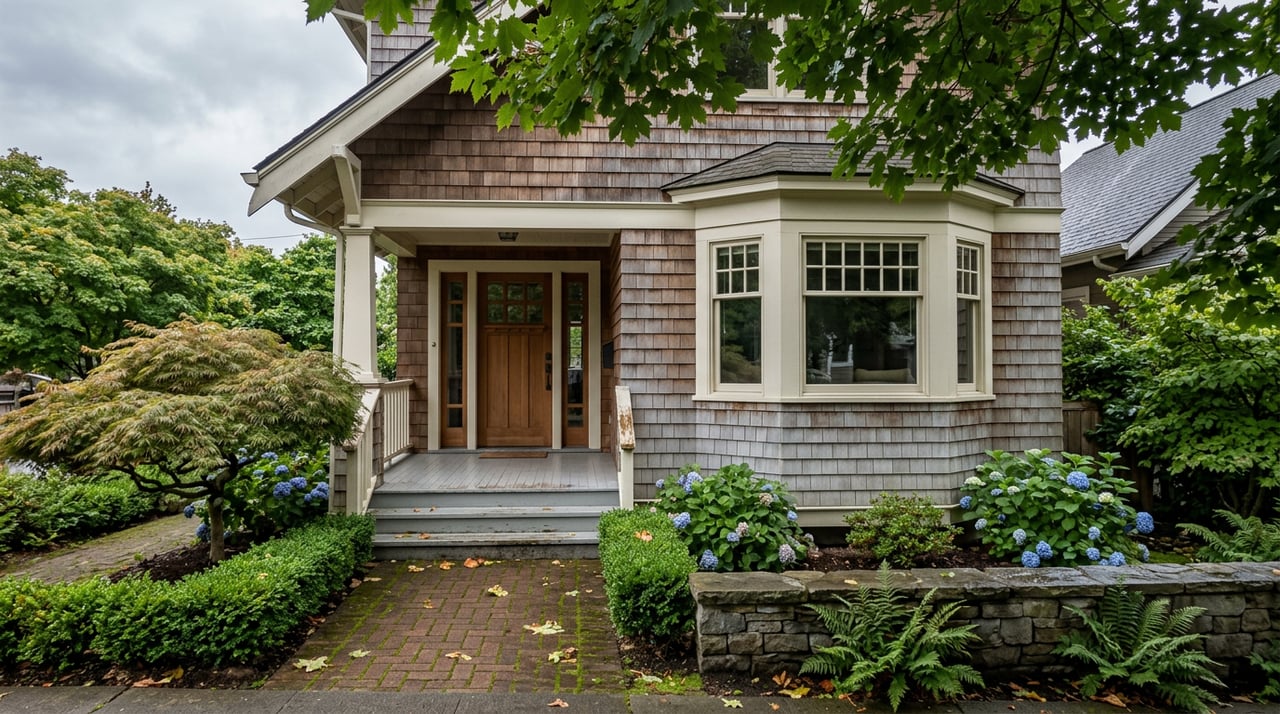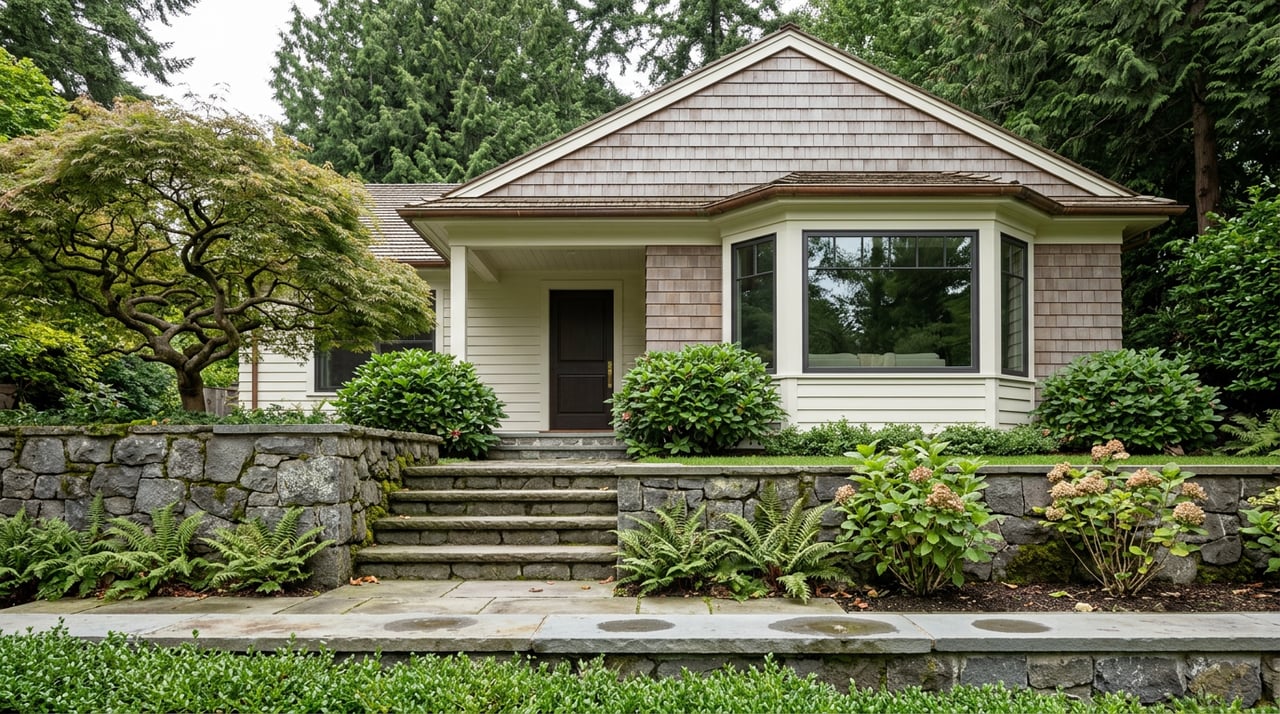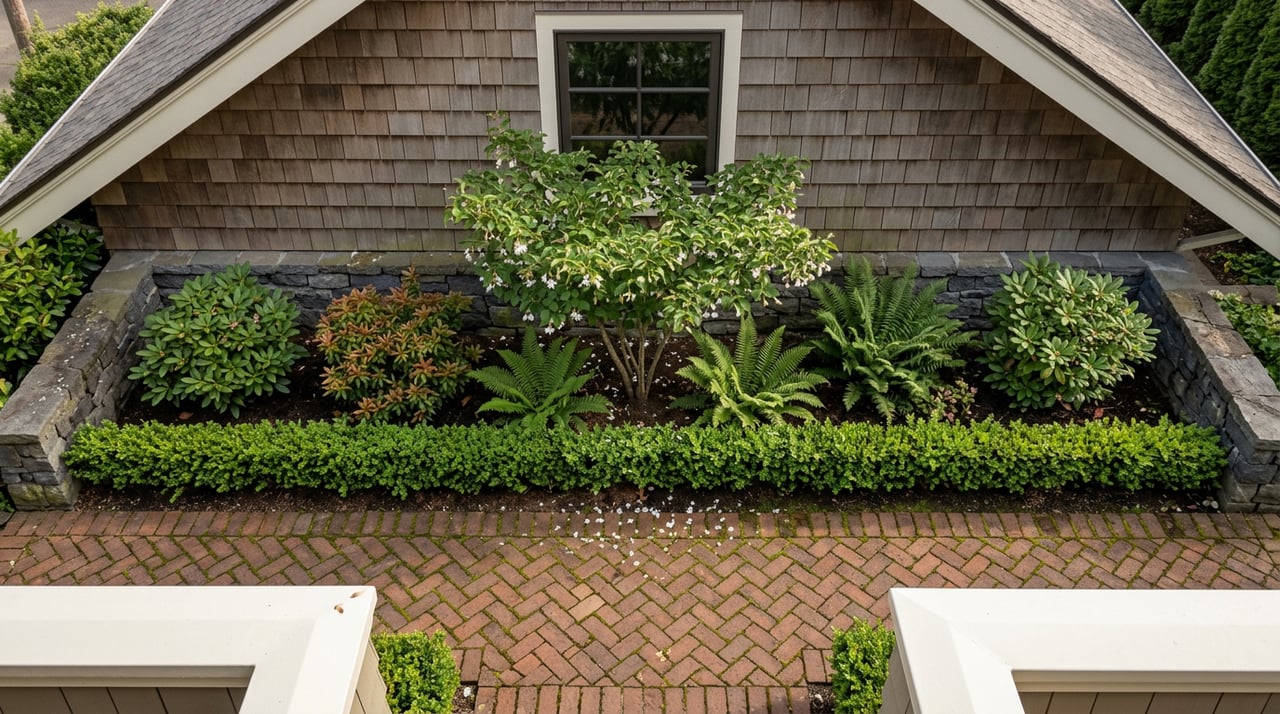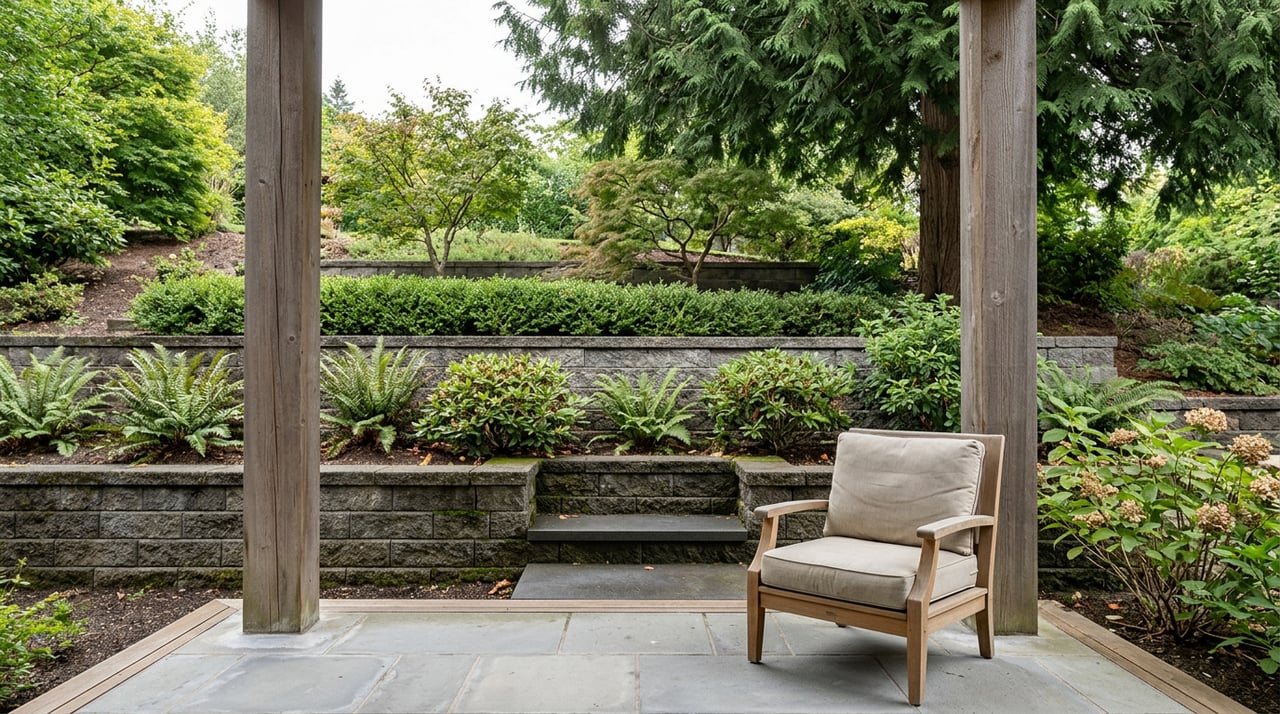
Search "waterfront homes Madrona Seattle" and you'll find plenty of listings that use the word loosely: a view of the lake from a hillside kitchen, a "lakeside" address three blocks up from the shore, a deck that catches the sunset over the water. What you won't find, if you look closely at the deeds behind those listings, is a private dock. Ewing & Clark, a Seattle brokerage that has tracked this stretch of shoreline for decades, puts it plainly: despite sitting on Lake Washington, Madrona has no true waterfront homes, because Madrona Park and Madrona Beach occupy the shoreline itself.
That single fact changes what a buyer is actually comparing when they cross-shop Madrona against Madison Park or Leschi. All three neighborhoods touch the same lake. Only two of them let you buy a piece of it.
The Shoreline Nobody Gets to Own
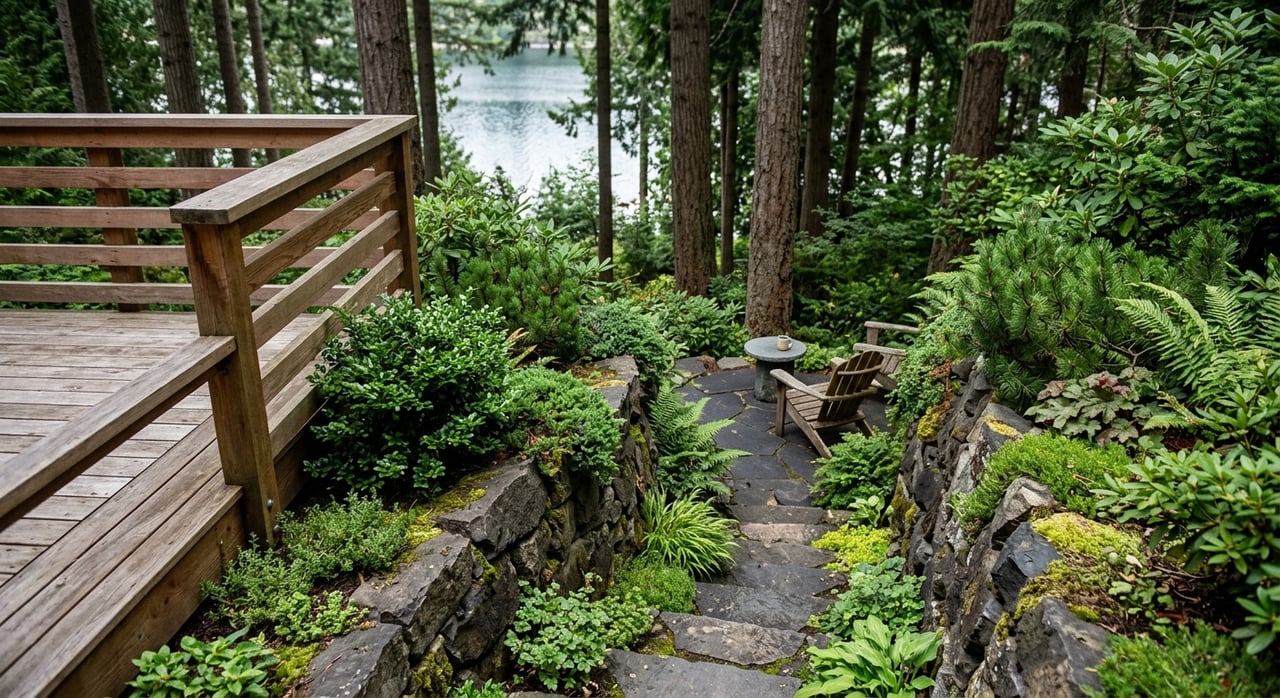
Walk down from Madrona's small commercial strip at 34th Avenue and Union, past Vendemmia and the Madrona Arms, and the street ends not at a row of private lots but at a public park. Madrona Park runs along the water with a swimming beach, a fishing pier, a jogging path, picnic sites, and the Madrona Dance Studio tucked into its south end. It is a genuinely good amenity. It is also the reason the neighborhood's entire lake edge is spoken for before any homeowner gets a turn.
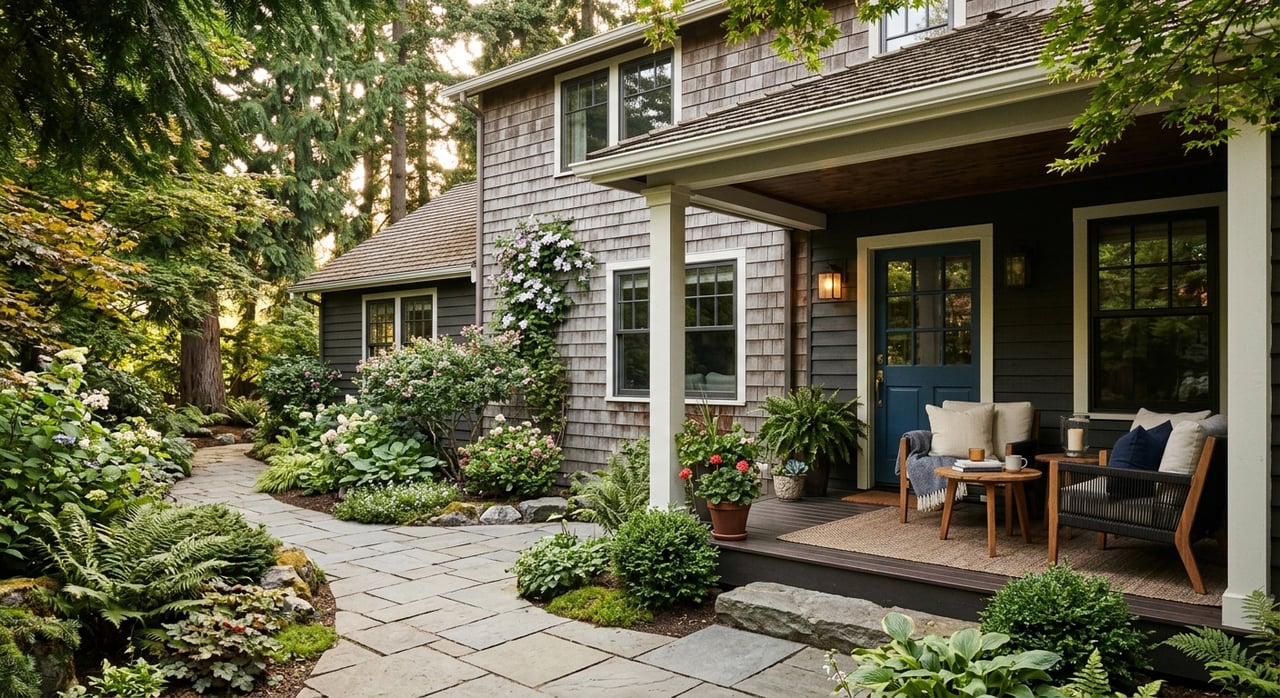
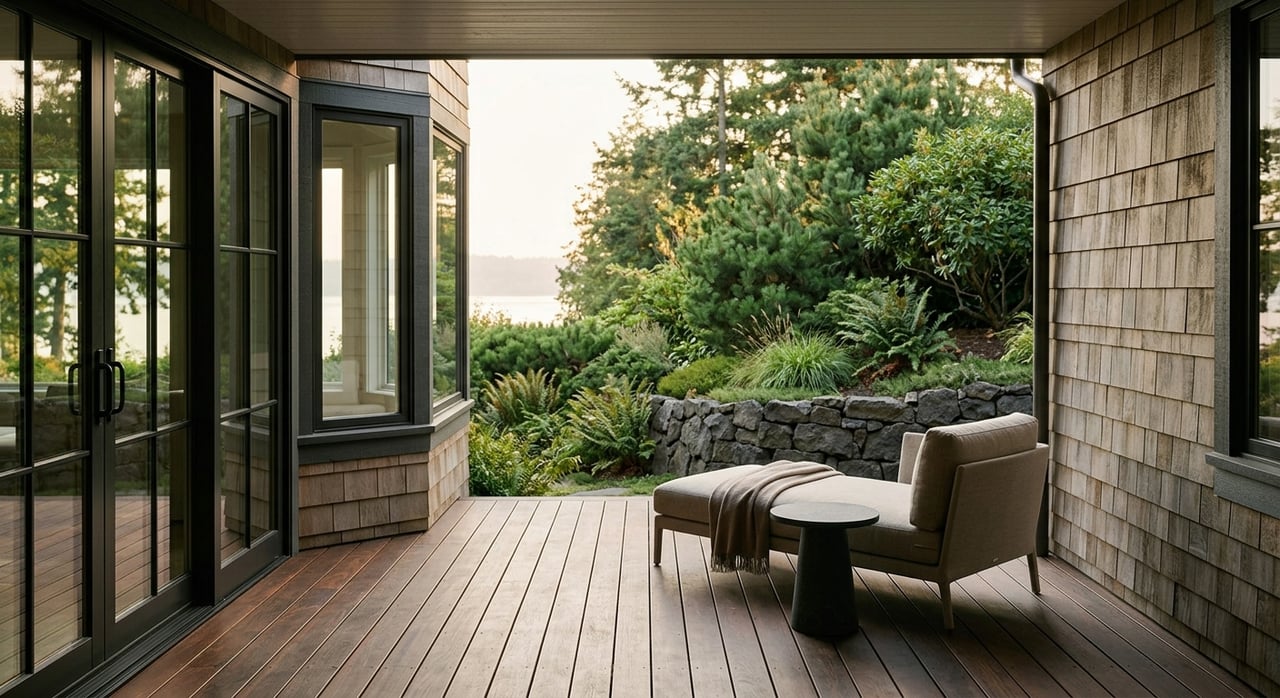
Compare that to Madison Park, Leschi, and Denny Blaine, where private parcels run directly to the water, several with docks and moorage that show up as selling points in active listings. A buyer who wants to keep a boat at their own dock, host guests at a private beach, or simply own to the waterline has real inventory to look at in those neighborhoods. In Madrona, that inventory does not really exist as a category. What exists instead is view.
Three Price Bands, Three Different Products
This is the part that gets lost when a buyer only looks at a headline median. Madrona's for-sale inventory splits into bands that aren't really the same product wearing different price tags. They're different things entirely.
| Band | Typical asking range | What you're buying |
|---|---|---|
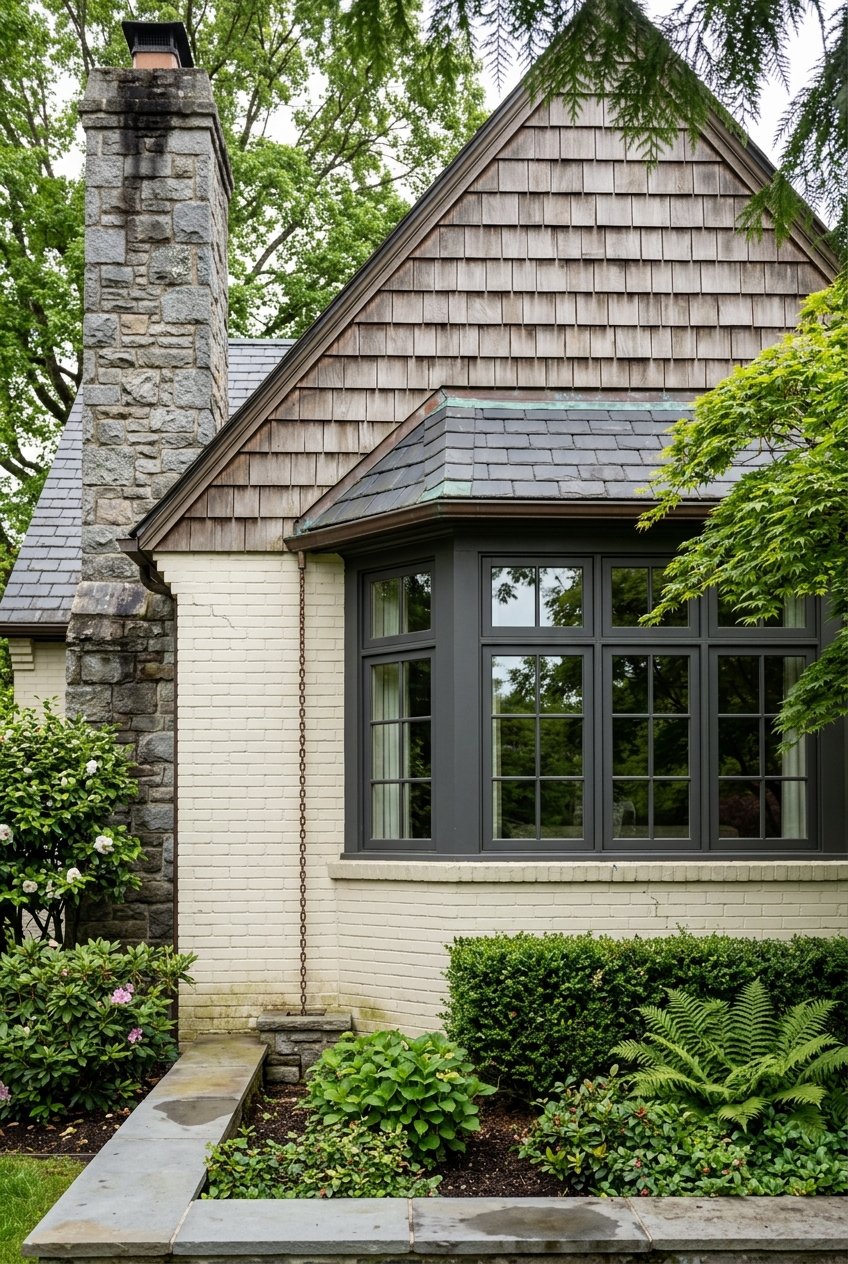
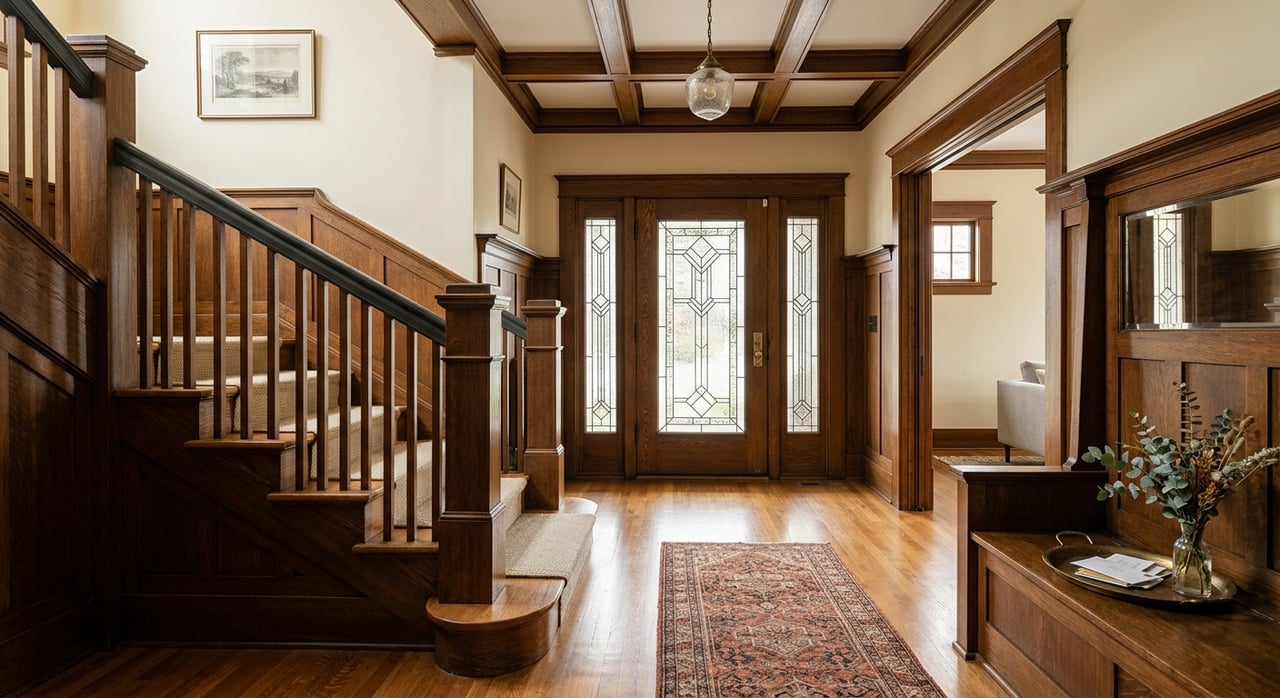
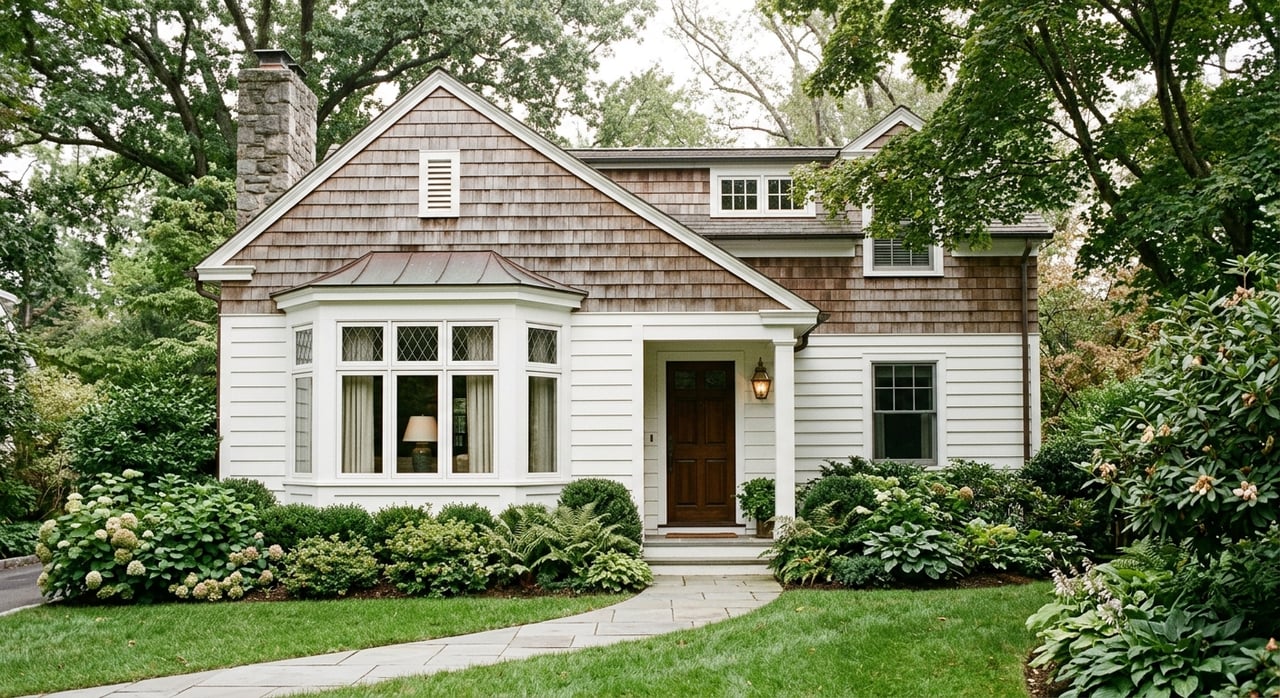
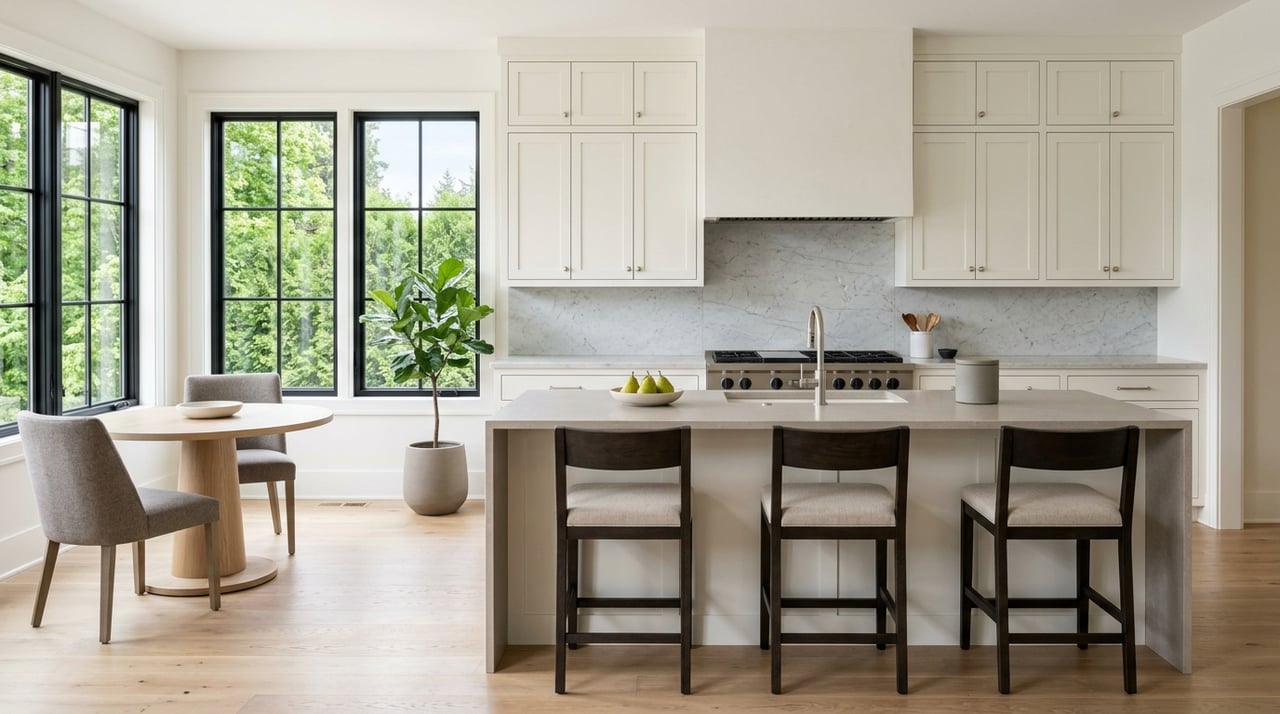
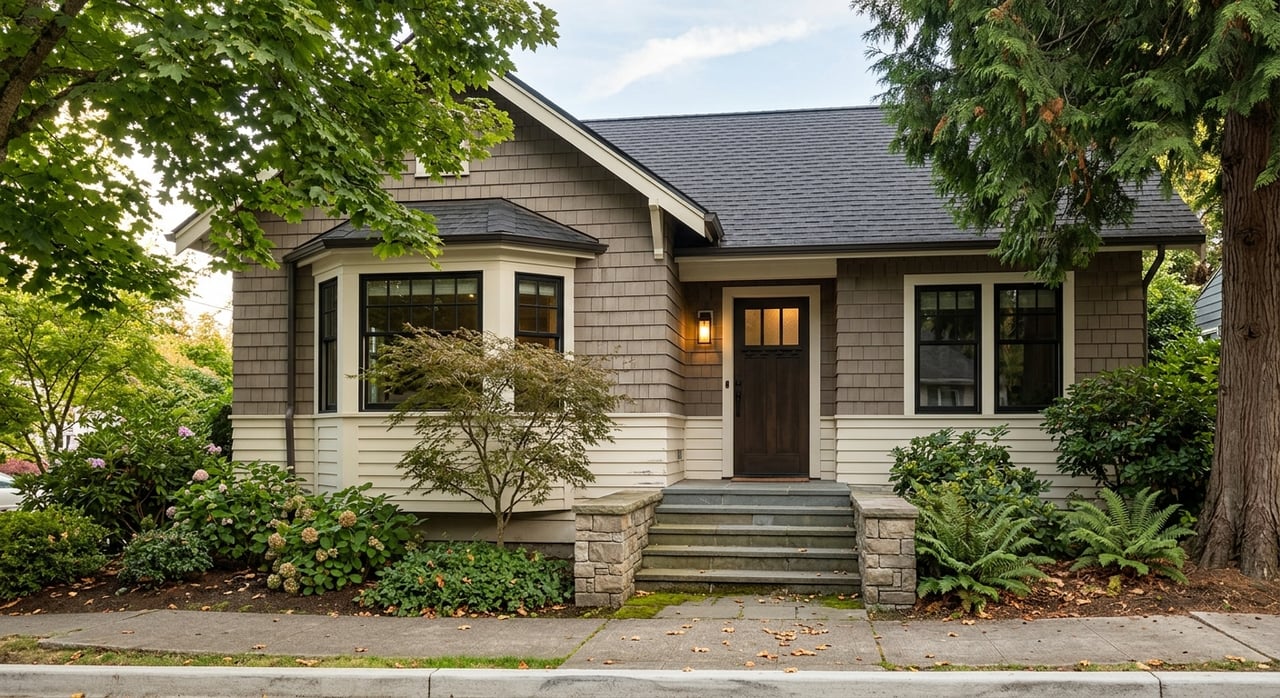
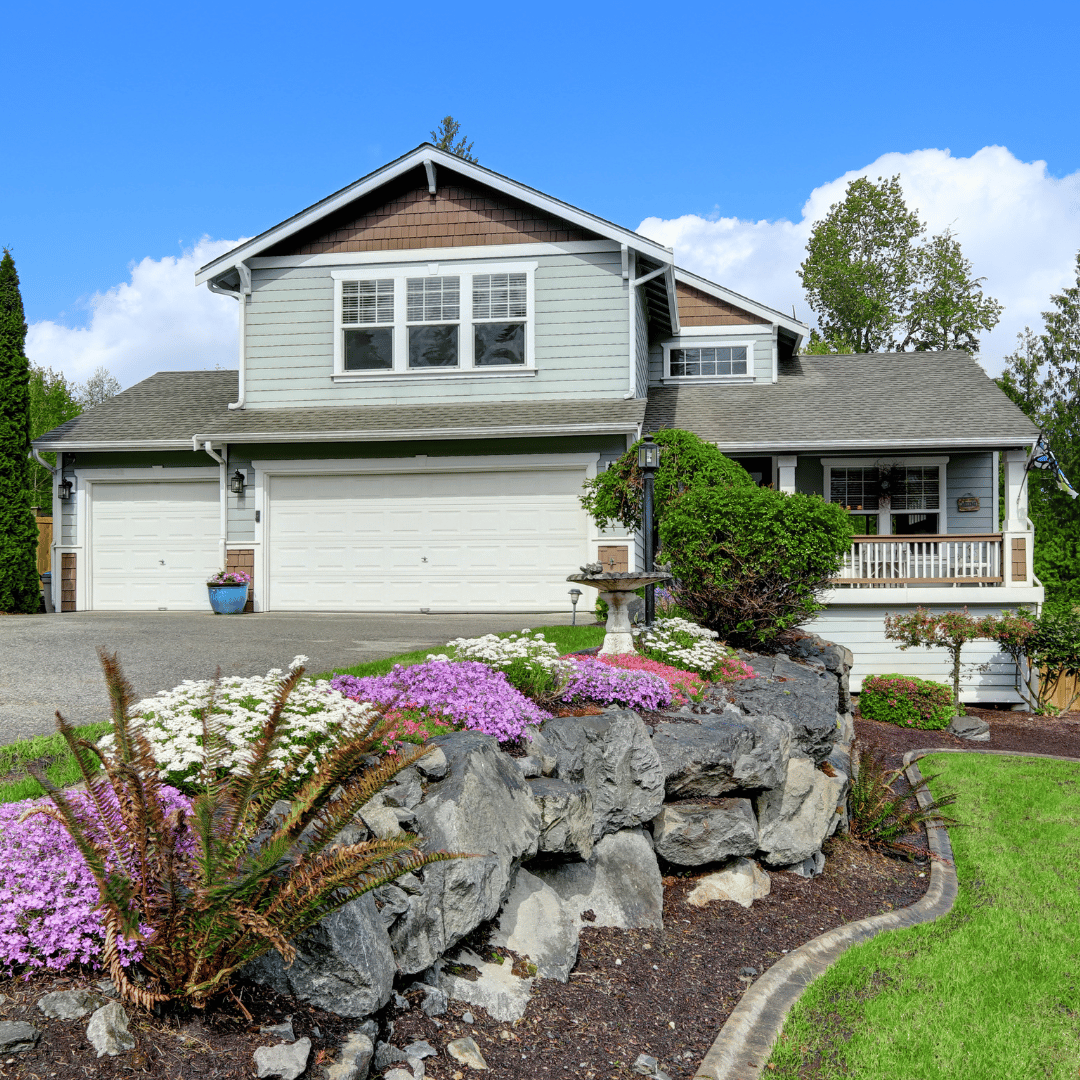
| Interior lots | $1.1M to $2M | Craftsman, Tudor, and Colonial Revival homes on the flatter blocks west of the ridge, generally no lake view |
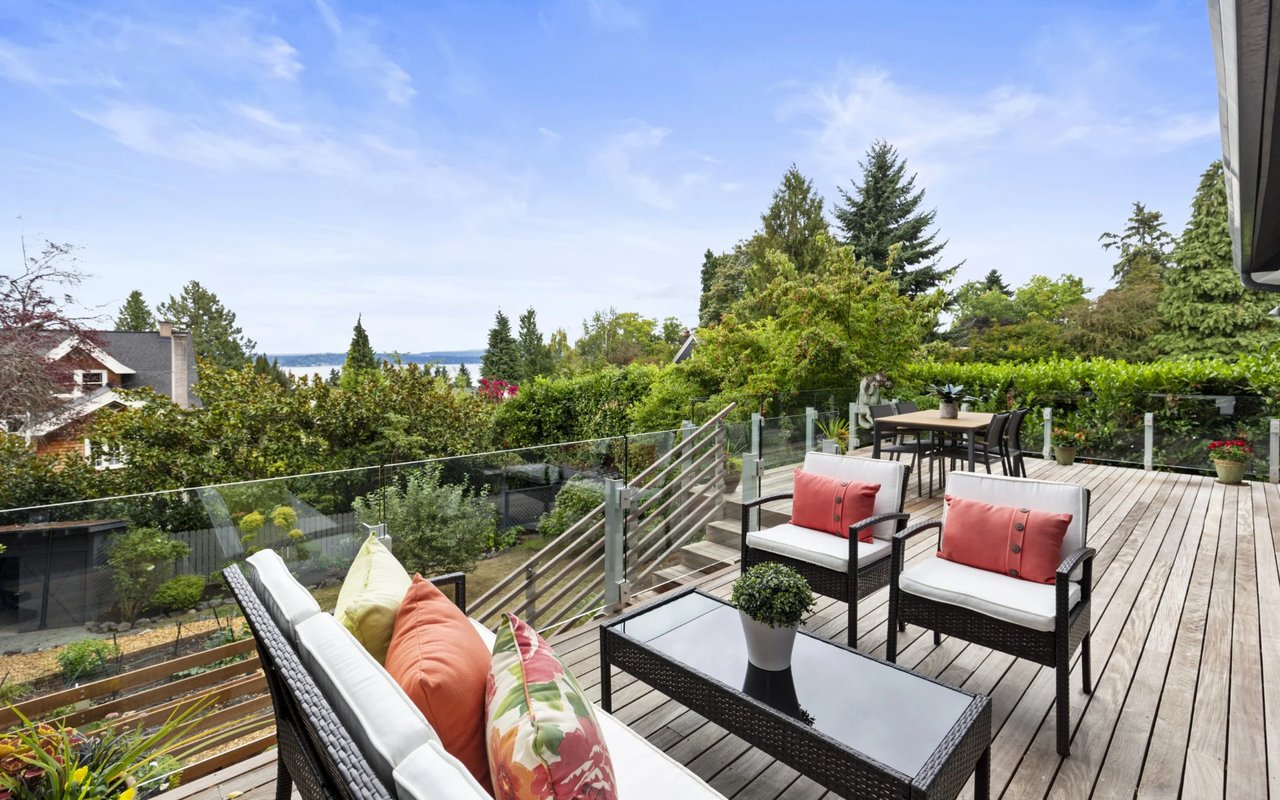
| View and ridge homes | $2M to $4.5M | East-facing hillside homes with sightlines to Lake Washington, the Cascades, or downtown, no water access |
| True lakefront | $5M to $10M+ | The rare parcel that predates the park boundary or sits on one of the few private stretches, a genuine outlier |
The gap between the second and third row is the whole story. A view home at $3.5 million and a lakefront home at $8 million aren't ten percent apart the way a median-price chart might suggest. They're in different markets, and the top one barely trades. When something in that top band does come up for sale, it isn't really competing against the rest of Madrona's inventory. It's competing against Denny Blaine and Madison Park estates that offer the same private water access as a matter of course.
What the Median Doesn't Tell You
Madrona's own price data has been sending a genuinely mixed signal lately, and it's worth pausing on why. As of February 2026, the neighborhood's median sale price sat at $1.3 million, down close to 20 percent from the year before. In the same window, the median price per square foot was $672, up nearly 15 percent year over year. A falling median and a rising per-square-foot number in the same month isn't a contradiction. It's a composition shift: more of the smaller interior homes were closing that month, pulling the headline median down even as buyers kept paying more for every square foot they got.
That's a reminder worth keeping in your pocket whenever a single month's median gets quoted as if it settled anything in a market this size. Madrona sells around a dozen homes in a typical month. A couple of large view-home closings, or their absence, can swing the median by six figures without the underlying market actually moving. The price bands in the table above hold up better over time than any single month's headline number.
The Shoreline Amenity Is Getting an Upgrade Too
If the park is the substitute for private frontage in Madrona, it matters that the park itself is mid-improvement right now. Madrona Playground's play area reopened in August 2025 after a renovation funded with $550,000 from the Seattle Park District, complete with a new nature-themed structure for younger kids and a climbing and swing setup for older ones, backed by community input Seattle Parks and Recreation gathered during the design process.
Separately, and on a slower timeline, a community-led effort called the Madrona Beach Project is working to renovate the park's historic bathhouse and the adjacent piazza, with plans that include murals on the building's exterior and storytelling elements tied to the park's history, developed alongside Spectrum Dance Studio, which occupies the building. That project is still in the fundraising and design phase rather than under construction, but it points at the same idea from a different angle: the shoreline asset every Madrona buyer shares instead of owning outright is not static. It is being reinvested in right now, by the city and by the neighborhood itself.
What This Means If You're Comparing Neighborhoods
None of this makes Madrona a worse buy than Madison Park or Leschi. It makes it a different kind of buy, and the difference is worth pricing into your own decision before you fall in love with a listing photo.
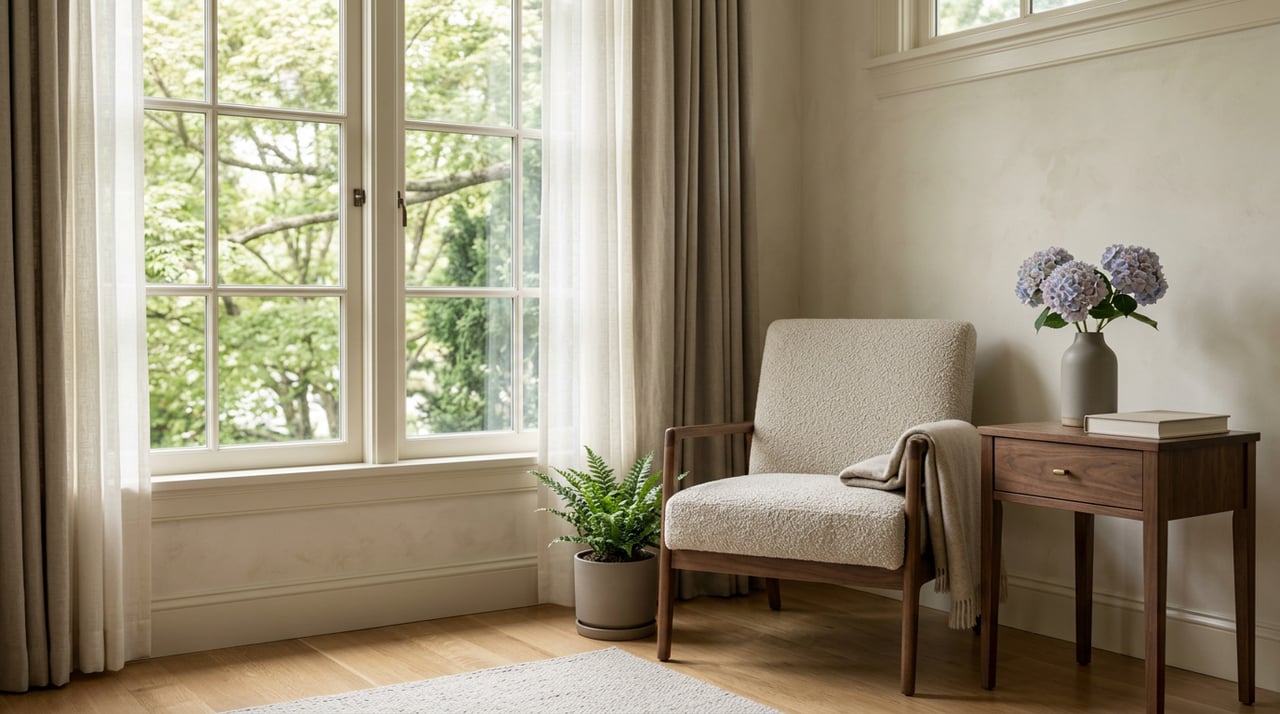
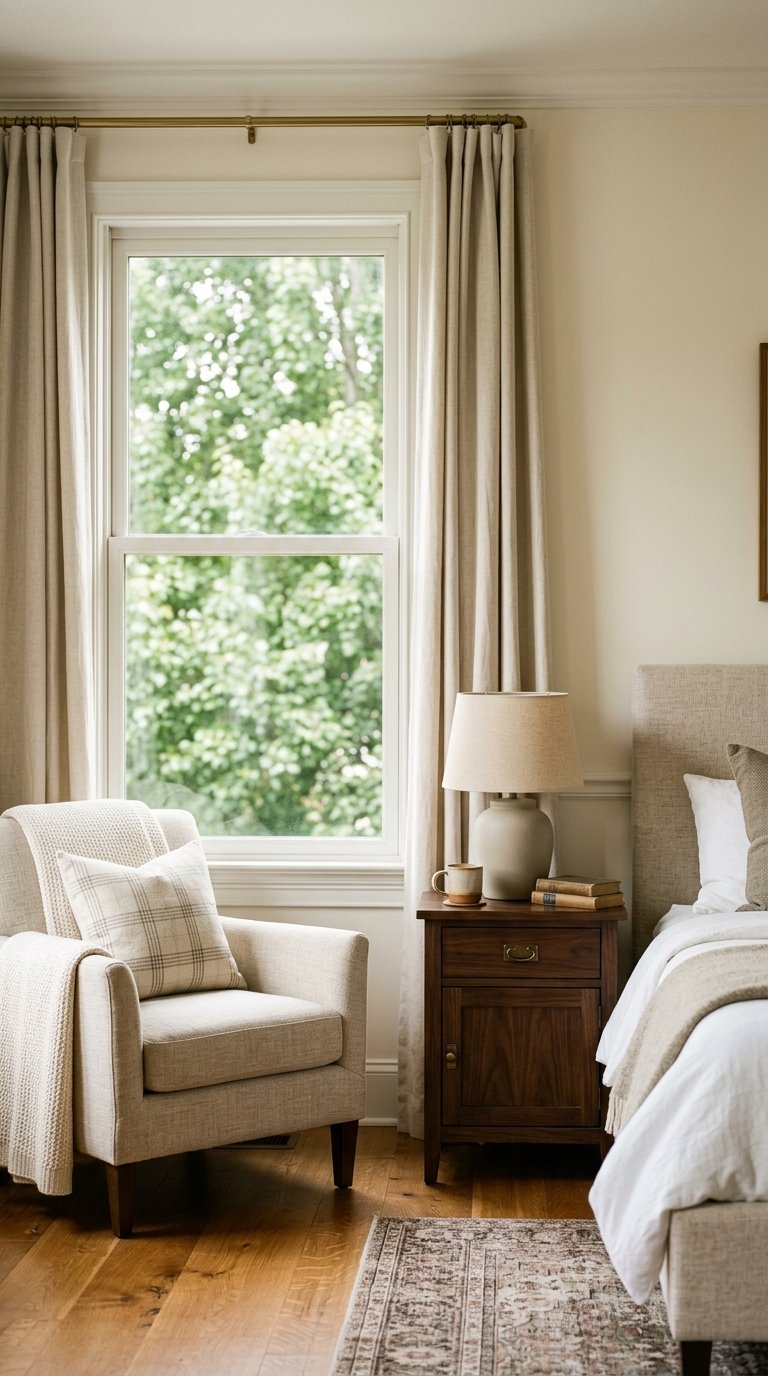
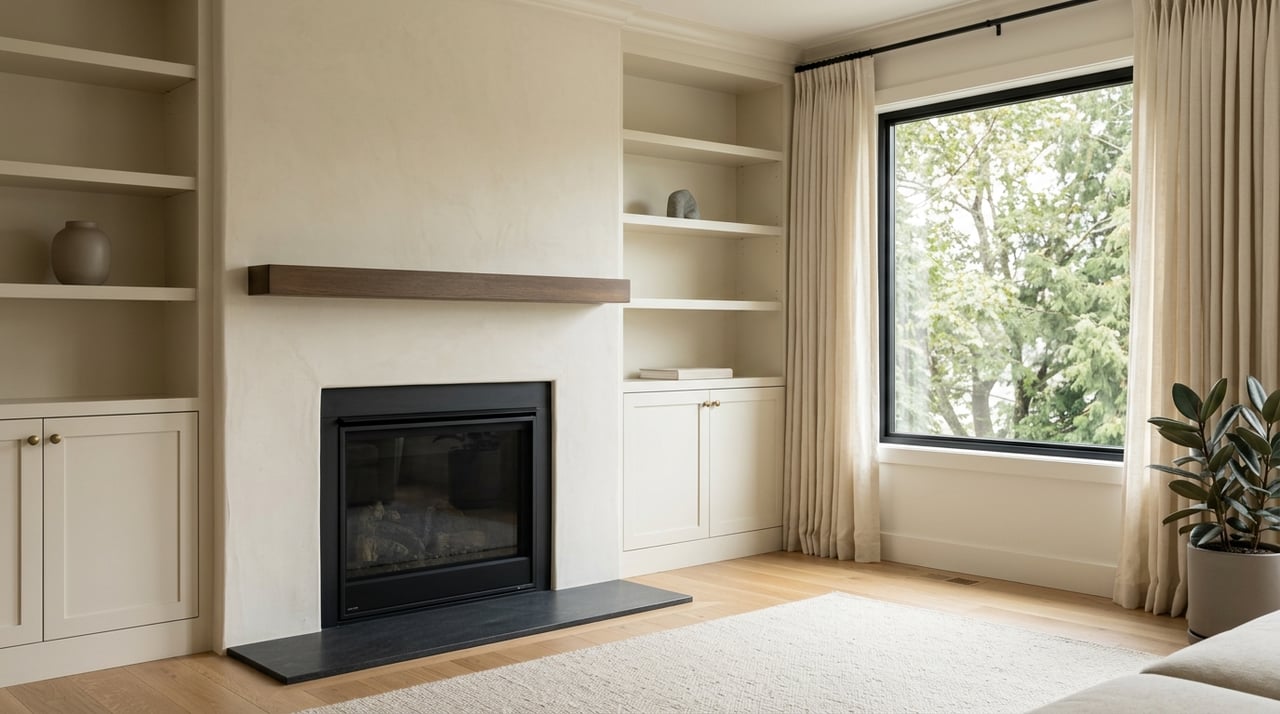
If private water access is the point, non-negotiable, then Madrona's inventory won't deliver it except in the rare and expensive outlier that isn't really representative of the neighborhood. If what you actually want is a well-built early-20th-century home on a treed street, an east-facing view of the lake and the Cascades from your own kitchen, and a five-minute walk to a public beach and dock that the whole neighborhood maintains together, Madrona is arguably the more honest version of lake living. You're paying for the view and the walk, not for a slip of shoreline you'd rarely use more than a few weekends a summer anyway.
Citywide, the broader market context supports taking your time to figure out which of those you actually want. Seattle's resale inventory sat at 3.9 months as of August 2026, and the $1 million to $2 million band, which covers Madrona's interior-lot tier almost exactly, was described as low on inventory with strong to surge-level activity. That means well-priced homes in Madrona's entry tier are still moving quickly, even as buyers elsewhere in the city gained a bit more room to negotiate.
Questions Worth Asking Before You Write an Offer
Is there any true private waterfront for sale in Madrona right now? Rarely, and when it exists it trades in a price band closer to $5 million and up. Most active Madrona listings advertising water are selling a view, not frontage.
Why does Madrona's median price sometimes look lower than Madison Park's or Leschi's? Partly because those two neighborhoods carry a real category of private-dock waterfront homes that pulls their upper end higher, and partly because any single month's median in a market this small can swing on a handful of closings.
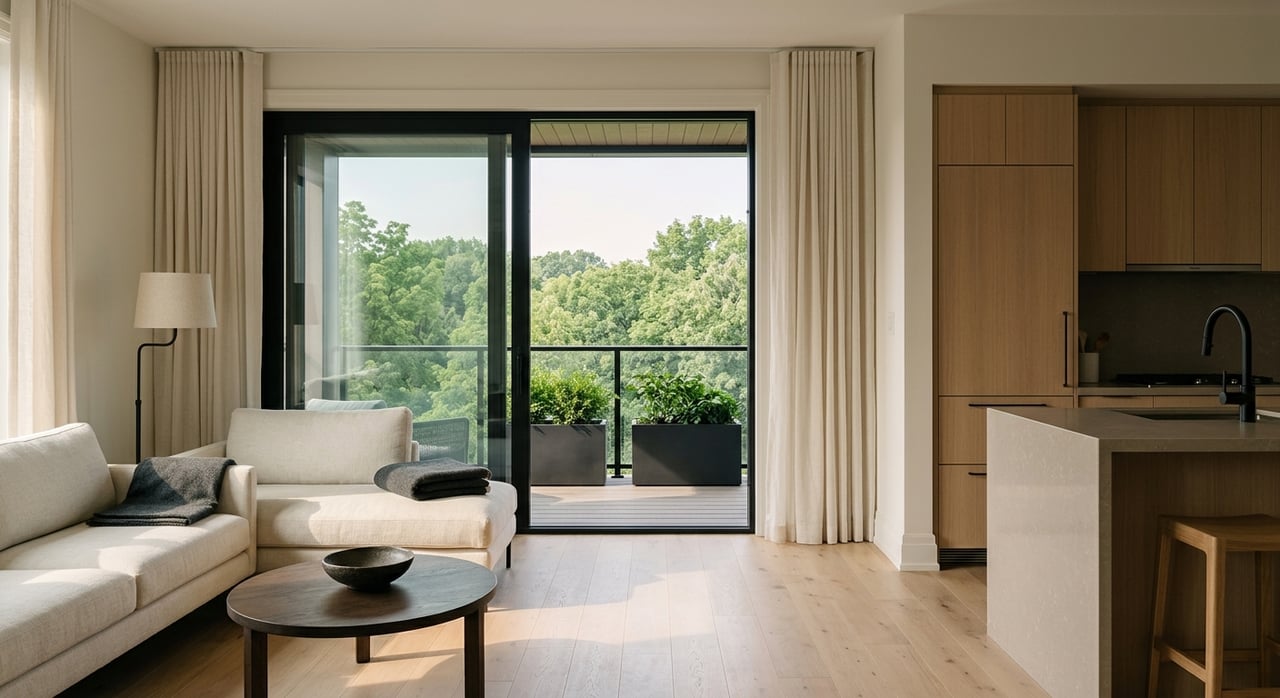
Does the view premium apply to condos too? Yes. Listings on Madrona's east-facing blocks with unobstructed lake or mountain sightlines command a clear premium over otherwise comparable units without a view, even within the same building.
If you're weighing Madrona against its lakefront-adjacent neighbors and want a clearer read on which price band actually fits what you're looking for, the Hinds Team has spent decades working this stretch of Seattle from Madison Park down through Leschi and can walk you through what each neighborhood's inventory really offers before you write an offer.